

Pedestrian and Bicycle Accidents After Dark in Fort Lauderdale
Shorter daylight hours can put more Fort Lauderdale and Broward County residents on the road after dark—walking home, cycling to dinner, crossing from a parking area, or waiting for a rideshare. At night, drivers have less time to identify people outside a vehicle, especially around busy intersections, driveways, and pickup zones. A crash is never an injured person’s fault simply because visibility was limited; everyone sharing the road has a responsibility to stay alert and use reasonable care.
At Englander Peebles, we help injured pedestrians and cyclists understand what may matter after a nighttime crash, from preserving evidence to addressing insurance questions. Here are practical safety considerations and next steps following an injury.
Why Darkness Changes the Risk
Fort Lauderdale remains active long after sunset. Traffic moves through commercial corridors, neighborhoods, beach areas, entertainment districts, and parking lots while people continue walking, biking, and using e-bikes. Darkness can make contrast, distance, speed, and movement harder for drivers to judge. Glare from headlights, wet pavement, illuminated signs, and oncoming traffic can make the problem worse.
That does not relieve motorists of the need to watch the road. A driver approaching an intersection, crosswalk, driveway, or curbside pickup area should slow as conditions require and look carefully for people who may be crossing or traveling alongside traffic.
Crosswalks, Intersections, and Turning Vehicles
Many serious pedestrian and bicycle collisions occur when a vehicle turns. A driver focused on finding a gap in vehicle traffic may fail to scan a crosswalk before making a right turn, left turn, or turn into a driveway. A cyclist traveling straight through an intersection can also be overlooked by a driver turning across the cyclist’s path.
Marked crosswalks, pedestrian signals, lane markings, and traffic lights can become important evidence after a crash. So can the layout of the intersection: sight lines, construction activity, parked vehicles, foliage, missing markings, and the location of streetlights may help explain what a driver could or should have seen.
For people walking or cycling, using available crosswalks, following signals when possible, and remaining aware of turning traffic can help reduce risk. These precautions do not shift responsibility away from a driver who fails to yield, drives carelessly, or does not keep a proper lookout.
Lighting, Visibility, and Bicycle Equipment
Good lighting helps everyone see and be seen. Cyclists riding after dark can benefit from a properly working front light, rear light, reflectors, and reflective or bright outerwear. These are practical visibility tools, particularly on roads where vehicle speeds are higher or lighting is inconsistent.
Pedestrians may also be more visible in lighter or reflective clothing, but clothing color alone does not decide fault after a collision. The key legal and factual questions may include vehicle speed, lighting conditions, the driver’s actions, traffic controls, the path of travel, and whether the driver was paying attention.
We encourage drivers to treat every darkened roadway, crosswalk, bike lane, and curb area as a place where someone may be present. Slowing down and scanning deliberately can be especially important when daylight ends earlier and the evening commute happens in darkness.
Distracted Driving Can Be Harder to Detect at Night
A moment of distraction can be dangerous at any time, but it can be especially harmful after dark, when a driver needs full attention to recognize hazards quickly. Texting, scrolling, entering directions, adjusting a rideshare app, eating, or looking away from the road can reduce the time available to brake or avoid a collision.
After a crash, distracted driving is not always obvious from the initial police report. Phone records, vehicle data, witness accounts, video footage, and the driver’s own statements may become relevant. Englander Peebles investigates the available facts rather than assuming that a nighttime collision was unavoidable.
Rideshare Pickup Areas Require Extra Attention
Uber, Lyft, and other rideshare pickups can create concentrated traffic near restaurants, hotels, venues, apartment buildings, and nightlife areas. Vehicles may stop unexpectedly, pull toward the curb, make quick turns, or block a bike lane while passengers enter or exit. Pedestrians and cyclists may be navigating around those vehicles at the same time.
When a rideshare vehicle is involved, insurance questions can become more complicated. Coverage may depend on what the driver was doing in the app at the time of the crash, such as waiting for a request, traveling to a passenger, or transporting one. A Fort Lauderdale pedestrian accident lawyer or bicycle accident lawyer can help review the facts and identify the available insurance policies.
Nearby Cameras May Preserve a Clearer Picture
Video can be particularly valuable in an after-dark crash because memories may differ about lighting, signals, speed, and who was where. Nearby surveillance footage may come from a business, residential building, parking garage, hotel, traffic camera, or doorbell camera. A passing vehicle’s dashcam may also capture the collision or events immediately before it.
Video is often overwritten quickly. If it is safe to do so, take photographs of the area, including streetlights, the crosswalk or bike lane, signs, traffic signals, debris, and the vehicles involved. Note the names of nearby businesses or properties that may have cameras, and save the names and contact information of witnesses. Do not worry if you were unable to gather evidence because of your injuries; an attorney can take steps to seek and preserve available evidence.
What to Do After a Pedestrian or Bicycle Injury
Your health comes first. Call 911 or seek emergency medical care when needed. Even injuries that seem manageable in the moment can require prompt evaluation, particularly after a head impact, fall, or collision with a moving vehicle.
As soon as you are able, consider taking these steps:
- Follow through with recommended medical care and keep records of appointments, symptoms, treatment plans, bills, and time missed from work.
- Request or obtain the crash report when it becomes available, and keep copies of photographs, videos, witness information, and communications related to the incident.
- Preserve the bicycle, helmet, clothing, lights, and other damaged items when possible. Do not repair, discard, or alter them before documenting their condition.
- Be cautious when speaking with an insurance adjuster. Provide necessary information, but understand that recorded statements and early settlement offers may not reflect the full impact of an injury.
- Consider speaking with a Broward County personal injury attorney promptly so evidence can be evaluated before it disappears.
Why Insurance Companies May Dispute Fault
Insurance companies may examine visibility, lighting, the location of a crossing, bicycle equipment, traffic signals, or statements made after the crash. They may argue that an injured pedestrian or cyclist could have acted differently. Florida’s comparative-fault rules can make these arguments important, but they are not the end of the analysis.
A fair review should also examine the driver’s speed, lookout, turning movement, right-of-way obligations, distraction, impairment, vehicle condition, and the available camera or dashcam evidence. At Englander Peebles, our approach is to develop the full picture and challenge unsupported efforts to place unfair blame on the person who was hurt.
FAQ
Should I seek medical care after a nighttime bicycle or pedestrian crash?
Prompt medical attention can protect your health and create important documentation of injuries and symptoms. Emergency care may be appropriate after a serious impact, head injury, severe pain, numbness, weakness, dizziness, or other concerning symptoms. A medical professional can advise you about your specific condition.
What if the driver says they did not see me?
A driver’s statement that they did not see someone does not automatically resolve fault. The circumstances still matter, including road lighting, vehicle speed, traffic signals, crosswalk markings, the driver’s attention, and whether the driver should have seen and responded to the person in the roadway.
Can camera footage help prove what happened?
Yes. Footage from nearby businesses, residences, parking facilities, traffic cameras, or dashcams may help show the positions and movements of the vehicle, pedestrian, or cyclist. Because many systems overwrite recordings quickly, it can be important to identify possible sources as soon as possible.
Does reflective clothing determine whether a pedestrian or cyclist has a claim?
No. Reflective gear and lights may be relevant to visibility, but they are only part of the overall facts. A driver still has a duty to operate attentively and respond reasonably to conditions on the road.
What should I do if an insurer contacts me?
You can report the basic facts of a crash, but it is reasonable to be careful about recorded statements, medical authorizations, and settlement documents. Before signing anything, consider discussing the situation with a personal injury attorney who can explain the process and review the insurance issues involved.
If you or someone you love was injured while walking or cycling after dark in Fort Lauderdale, Broward County, or a nearby South Florida community, contact Englander Peebles for a free case evaluation. We are here to listen, review the circumstances, and explain potential next steps.
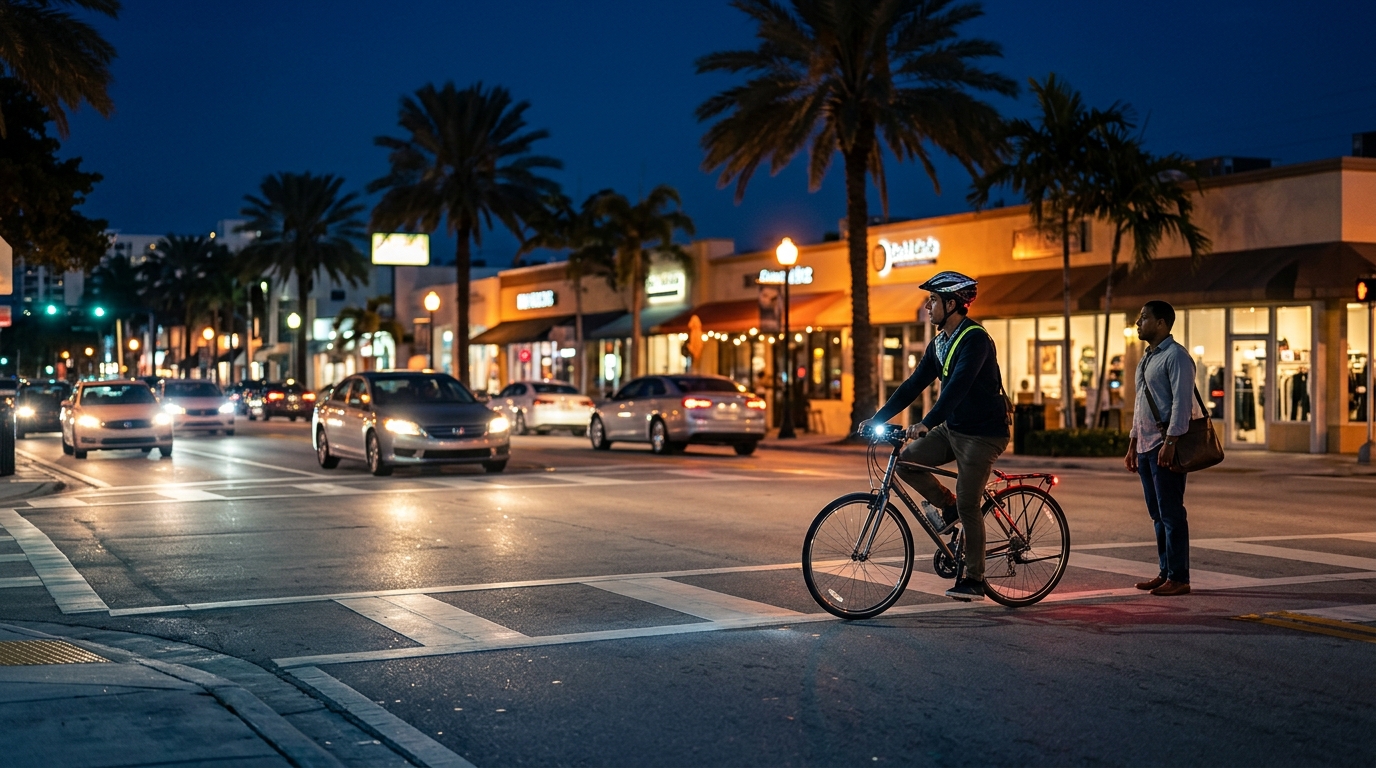
Pedestrian and Bicycle Accidents After Dark in Fort Lauderdale
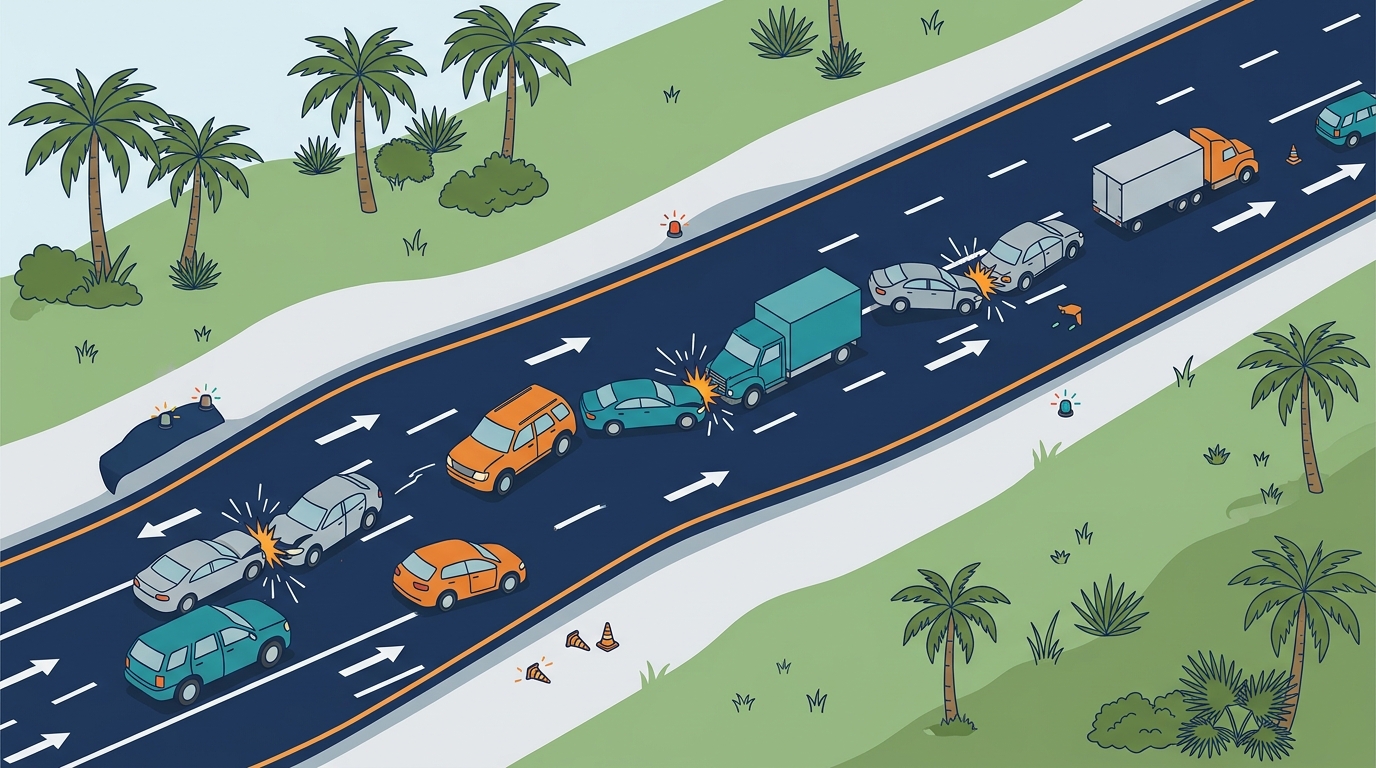
Who May Be Responsible in a Multi-Car Pileup on I-95 or I-595?
Rental Car and Turo Accidents in Florida: Insurance and Claim Questions
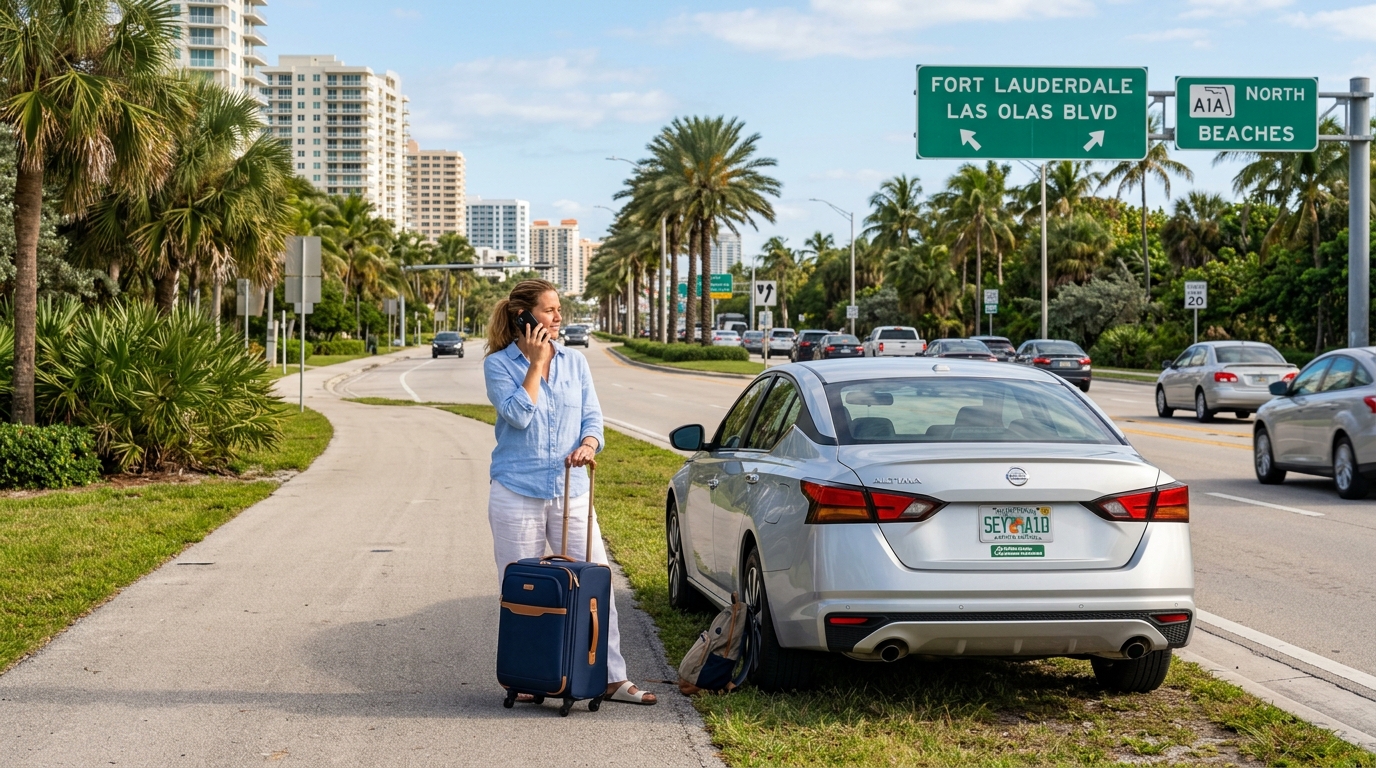
What Out-of-State Drivers and Tourists Should Do After a South Florida Car Accident
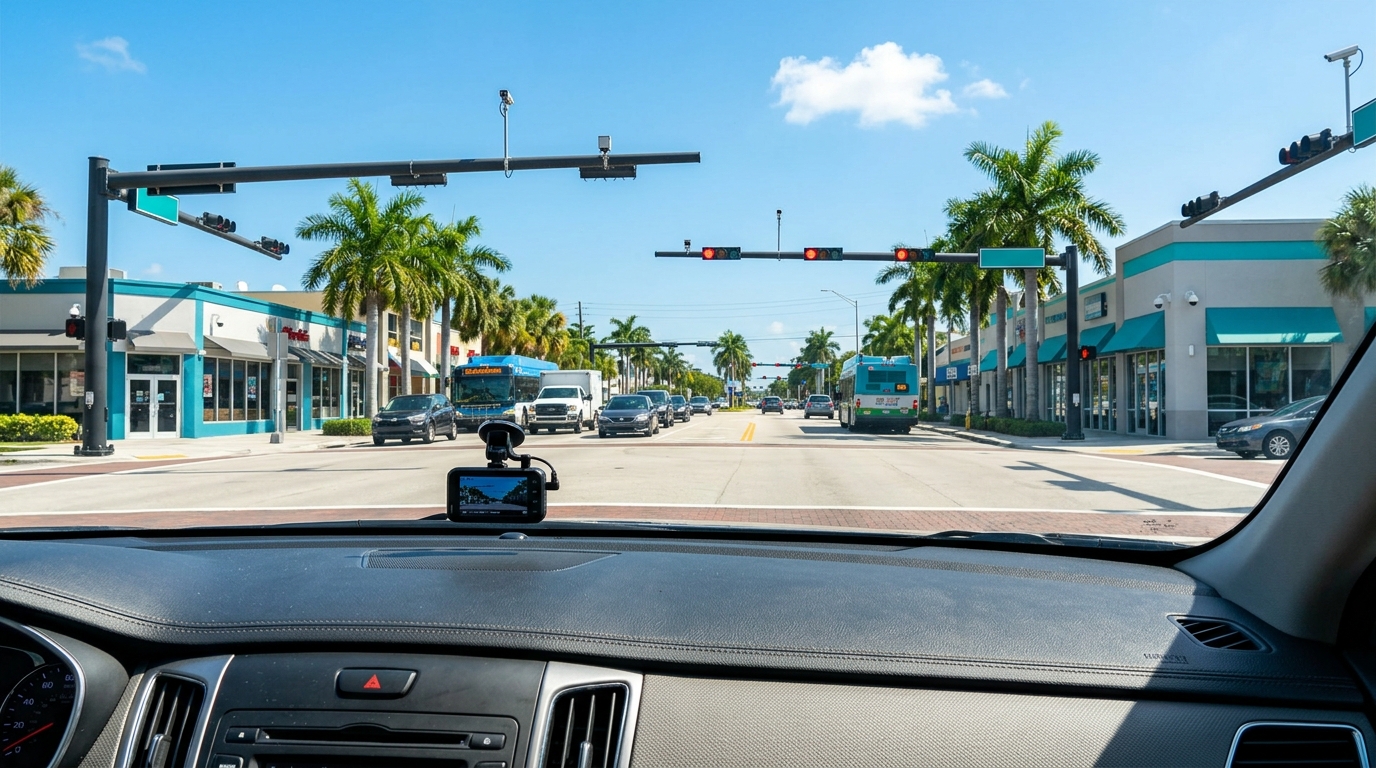
How to Preserve Dashcam, Traffic Camera, and Surveillance Evidence After a Fort Lauderdale Crash
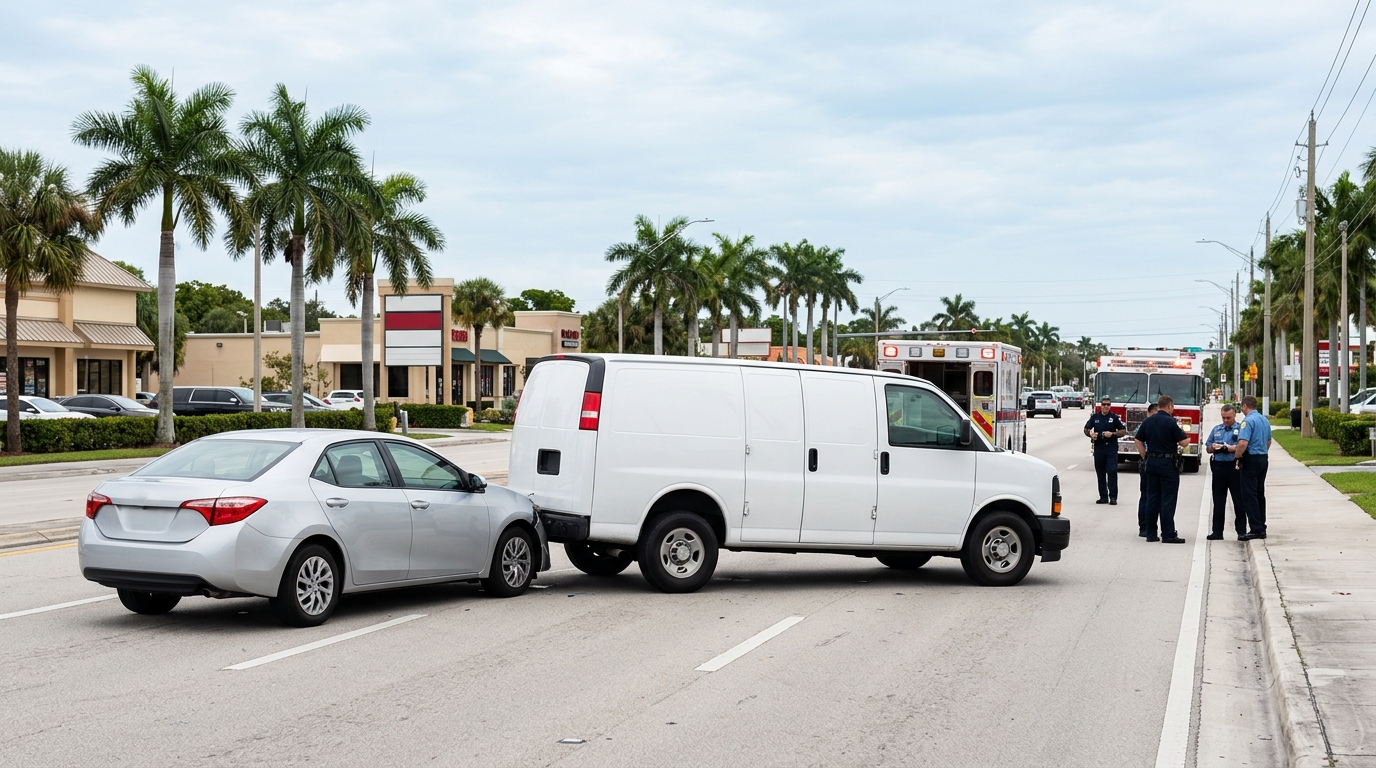
Who Is Liable in a South Florida Delivery Truck Accident?

How Insurance Companies Handle Personal Injury Claims

Slip and Fall Claims: What Injured Victims Should Know

What Rideshare Passengers Should Do After a Crash
What To Know About Summer DUI And BUI Checkpoints

Essential Pool Safety Tips for Fort Lauderdale Families and Visitors
Fireworks Safety Month: Essential Tips for Homeowners
Bicycle Safety Month: Working Together for Safer Roads
Motorcycle Safety Awareness: Reducing Risks for Everyone
Proving Distracted Driving With Digital and Physical Evidence
When a Fall Becomes a Legal Matter: Understanding Premises Liability
What If You Were Partially at Fault? Florida’s Modified Comparative Negligence Rule Explained
Should You Install a Dash Cam? Key Facts for Drivers
Spring Break Safety Tips: Simple Ways to Protect Yourself on Vacation
Do You Need a Lawyer After a “Minor” Car Accident in Florida?
What to Do After an Accident with an Uninsured Driver
How Long Do You Have to File a Florida Car Accident Claim? Deadlines That Can Cost You Everything
Should You Accept the Insurance Company’s First Settlement Offer After a Florida Car Accident?
7 Signs You Need a Personal Injury Attorney After a Wreck
The Importance of Seeing a Doctor After Any Car Accident
Understanding Florida’s 14-Day PIP Rule and How It Affects Your Car Accident Claim
7 Signs You Need a Personal Injury Attorney After a Wreck

Florida Truck Accidents: Why They’re Different from Car Crashes
Football Season and Head Injuries: Legal Issues in Youth Sports
What to Do If You’re in a Car Accident in Fort Lauderdale
The Real Cost of a Truck Accident in Fort Lauderdale and South Florida
Who’s Liable in an Uber or Rideshare Accident in Florida?
What to Do After a Car Accident in South Florida
