
Motorcycle Safety Awareness: Reducing Risks for Everyone
As motorcycle traffic increases during warmer months, the need for heightened road awareness becomes even more important. Motorcycle Safety Awareness Month highlights how crucial it is for both drivers and riders to stay alert, respect one another, and understand the unique risks motorcycles face. Taking proactive safety measures can significantly reduce collisions and minimize the legal and financial consequences that follow serious accidents.
Motorcycle crashes often lead to severe injuries, extensive medical bills, and complex legal situations involving insurance disputes, personal injury claims, or even criminal charges. By recognizing the factors that commonly contribute to these incidents, all road users can take steps to lower their chances of being involved in a crash.
The Elevated Risks Motorcyclists Encounter
Riding a motorcycle inherently carries more danger than driving a passenger vehicle. Without the protective structure of a car, motorcyclists are far more vulnerable in traffic. Even relatively minor collisions can result in significant injuries.
The National Highway Traffic Safety Administration notes that riders face a much greater likelihood of being severely injured or killed compared to people in enclosed vehicles. Limited visibility, speeding errors, impaired driving, and failing to yield are among the most common contributors to motorcycle crashes.
From a legal perspective, determining who is at fault can be especially complicated. Issues like roadway conditions, driver attention, and rider behavior often require detailed examination. As a result, serious motorcycle crashes frequently lead to contested liability and lengthy investigations.
Key Safety Reminders for Drivers
Drivers play an essential part in keeping motorcyclists safe. Many crashes occur simply because a driver did not see a motorcycle or underestimated its speed before making a maneuver.
Data from the Insurance Institute for Highway Safety shows that left-turn collisions are among the most frequent motorcycle crashes. These incidents often happen when a driver turning left at an intersection crosses in front of an oncoming motorcycle. In many cases, the motorcycle was visible, yet the driver failed to register its presence.
To reduce these risks, drivers should regularly check blind spots before switching lanes, merging, or turning. Increasing following distance behind motorcycles is also important because riders are able to stop more quickly than larger vehicles. Staying focused at intersections, especially when making left turns, can substantially reduce collision risks.
Distracted driving, impairment, and inattention can greatly influence legal responsibility after a crash. In severe cases, drivers may face civil liability or criminal charges. Small, attentive decisions on the road help prevent life-changing outcomes.
Important Considerations for Motorcyclists
Motorcyclists must constantly adapt to shifting traffic conditions and unpredictable driver behavior. Effective preparation and defensive riding can dramatically reduce the chances of a crash and the severity of injuries if one occurs.
According to the Centers for Disease Control and Prevention, wearing a helmet significantly decreases the risk of fatal or life-threatening head injuries. While gear cannot stop accidents, it plays a vital role in medical outcomes and may influence the legal process after a crash.
Riders can further protect themselves by completing proper training, maintaining valid licensing, and sharpening their riding skills. High-quality protective equipment, including DOT-approved helmets, can reduce injury severity. Adding reflective materials to gear and motorcycles improves visibility, especially in low-light or busy traffic conditions.
Visibility remains one of the biggest challenges motorcyclists face. Drivers often struggle to spot motorcycles in crowded areas or at intersections. Ensuring lights work properly and incorporating reflective features can help riders stand out on the road.
Motorcyclists can also tap their brake lights before stopping to signal deceleration more clearly. This helps drivers better anticipate speed changes and may reduce rear-end collisions.
Excessive speeding, impaired riding, and inadequate training can all raise both safety risks and legal exposure. When injuries are severe, rider actions are often closely reviewed during legal proceedings.
How Liability and Legal Issues Take Shape
Serious motorcycle accidents often lead to more than just physical injuries. Victims may encounter insurance challenges, civil lawsuits, and in some cases, criminal investigations.
The American Bar Association notes that determining fault in motorcycle crashes is often complex. Establishing responsibility may require evidence such as witness accounts, video footage, and professional crash reconstruction.
Legal assessments frequently focus on factors like distracted or impaired driving, ignoring traffic signals, and right-of-way violations—especially at intersections where many motorcycle crashes occur.
Because motorcycle injuries tend to be severe, these cases typically receive thorough examination. Insurance companies often conduct intensive investigations, and prosecutors may become involved if negligence or reckless behavior is suspected.
While risk cannot be fully eliminated, thoughtful preventive choices can lessen the chances of major injuries and prolonged legal battles.
Building Safer Roads Through Shared Responsibility
Motorcycle Safety Awareness Month emphasizes that road safety depends on everyone. It is not the sole responsibility of either drivers or riders—it requires effort from both.
Drivers can contribute by staying alert, giving motorcycles extra space, and avoiding distractions. Riders help by practicing defensive driving, enhancing visibility, and following licensing and safety requirements. Mutual respect and awareness lead to safer roads for everyone.
Making responsible decisions not only saves lives but also reduces the risk of criminal charges, expensive lawsuits, and long-term financial challenges. Preventing accidents is far better than dealing with the consequences afterward.
If you or someone close to you has been hurt in a motorcycle accident, understanding your rights is essential. Experienced legal support can help you navigate personal injury claims, liability concerns, and potential criminal issues. Reach out to discuss your options and receive the guidance you need to protect your interests.
Who Is Liable in a South Florida Delivery Truck Accident?

How Insurance Companies Handle Personal Injury Claims

Slip and Fall Claims: What Injured Victims Should Know

What Rideshare Passengers Should Do After a Crash
What To Know About Summer DUI And BUI Checkpoints

Essential Pool Safety Tips for Fort Lauderdale Families and Visitors

Fireworks Safety Month: Essential Tips for Homeowners

Bicycle Safety Month: Working Together for Safer Roads

Motorcycle Safety Awareness: Reducing Risks for Everyone

Proving Distracted Driving With Digital and Physical Evidence

When a Fall Becomes a Legal Matter: Understanding Premises Liability
What If You Were Partially at Fault? Florida’s Modified Comparative Negligence Rule Explained
Should You Install a Dash Cam? Key Facts for Drivers

Spring Break Safety Tips: Simple Ways to Protect Yourself on Vacation

Do You Need a Lawyer After a “Minor” Car Accident in Florida?
What to Do After an Accident with an Uninsured Driver
How Long Do You Have to File a Florida Car Accident Claim? Deadlines That Can Cost You Everything
Should You Accept the Insurance Company’s First Settlement Offer After a Florida Car Accident?
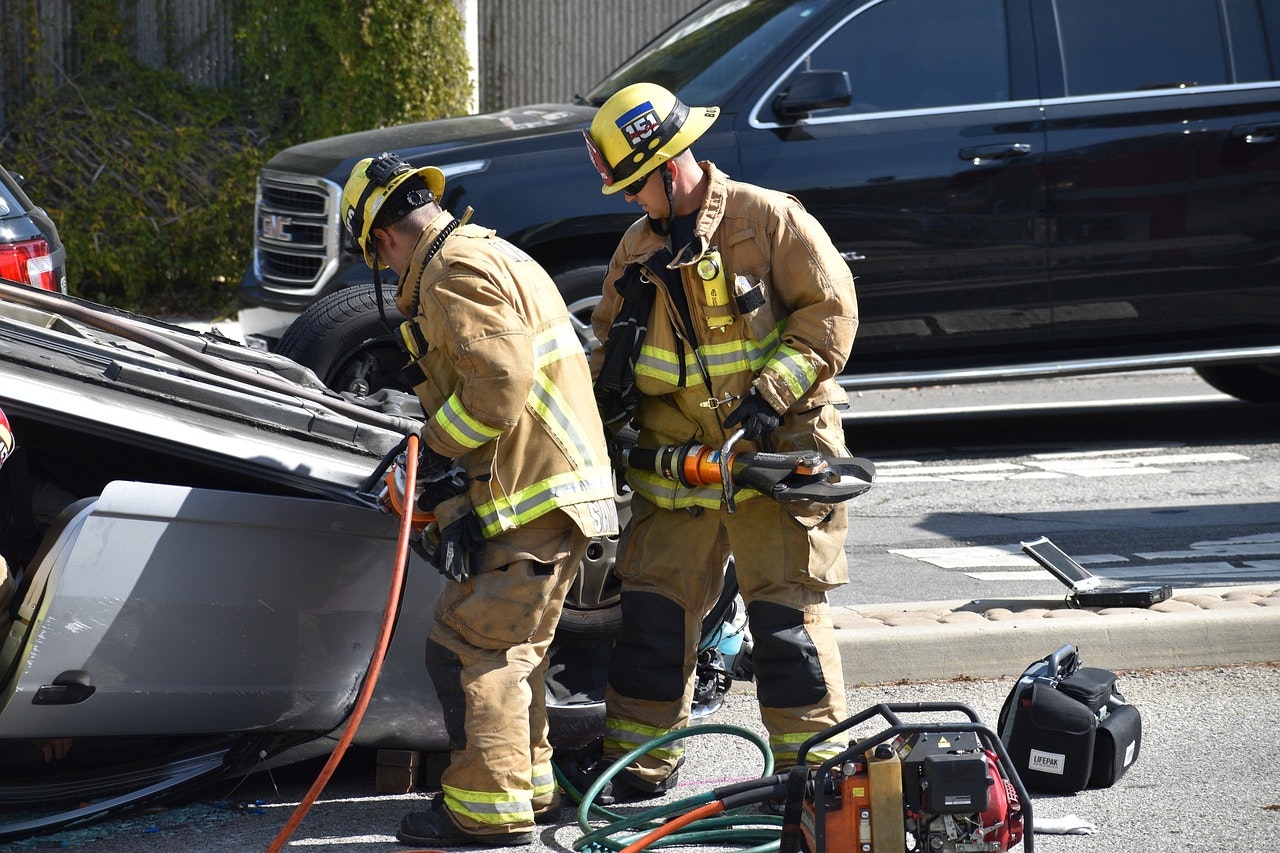
7 Signs You Need a Personal Injury Attorney After a Wreck
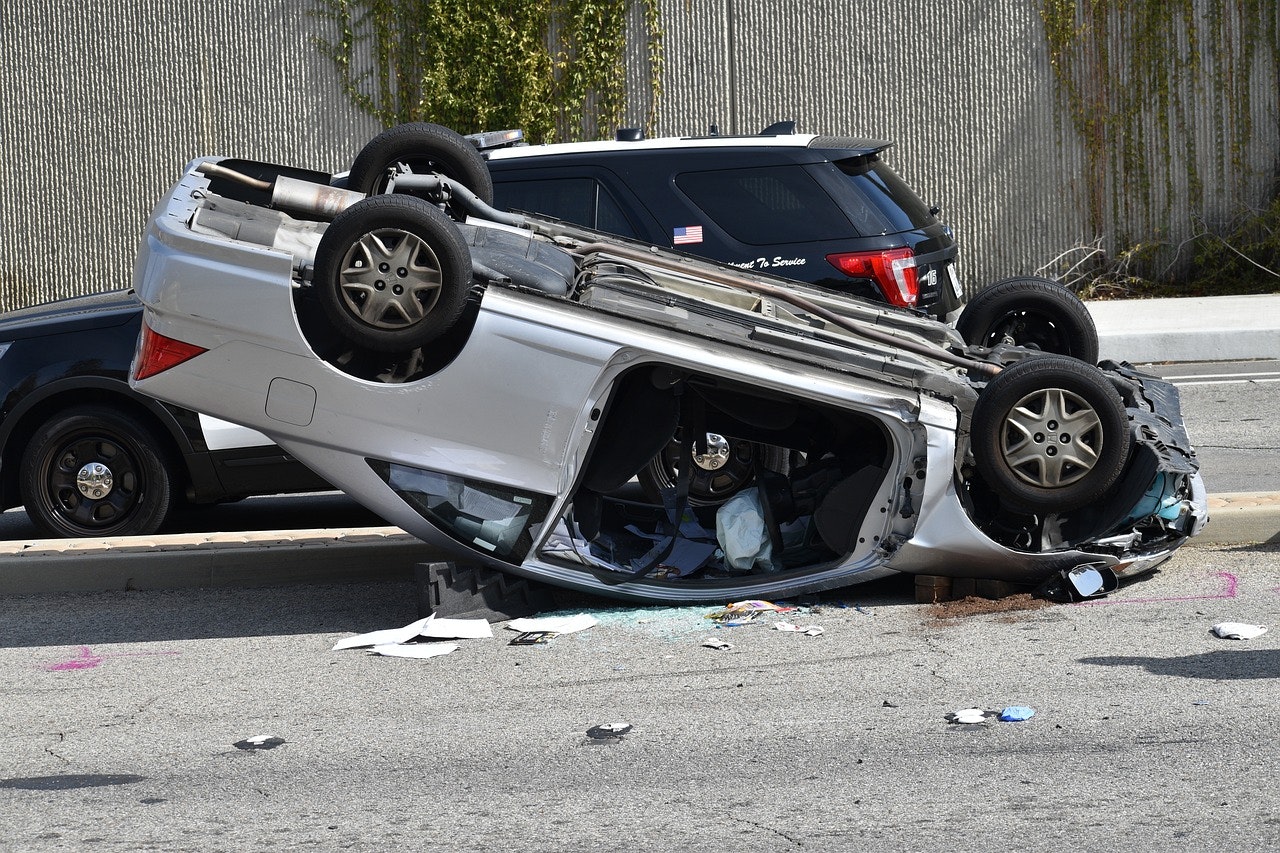
The Importance of Seeing a Doctor After Any Car Accident

Understanding Florida’s 14-Day PIP Rule and How It Affects Your Car Accident Claim

7 Signs You Need a Personal Injury Attorney After a Wreck

Florida Truck Accidents: Why They’re Different from Car Crashes

Football Season and Head Injuries: Legal Issues in Youth Sports
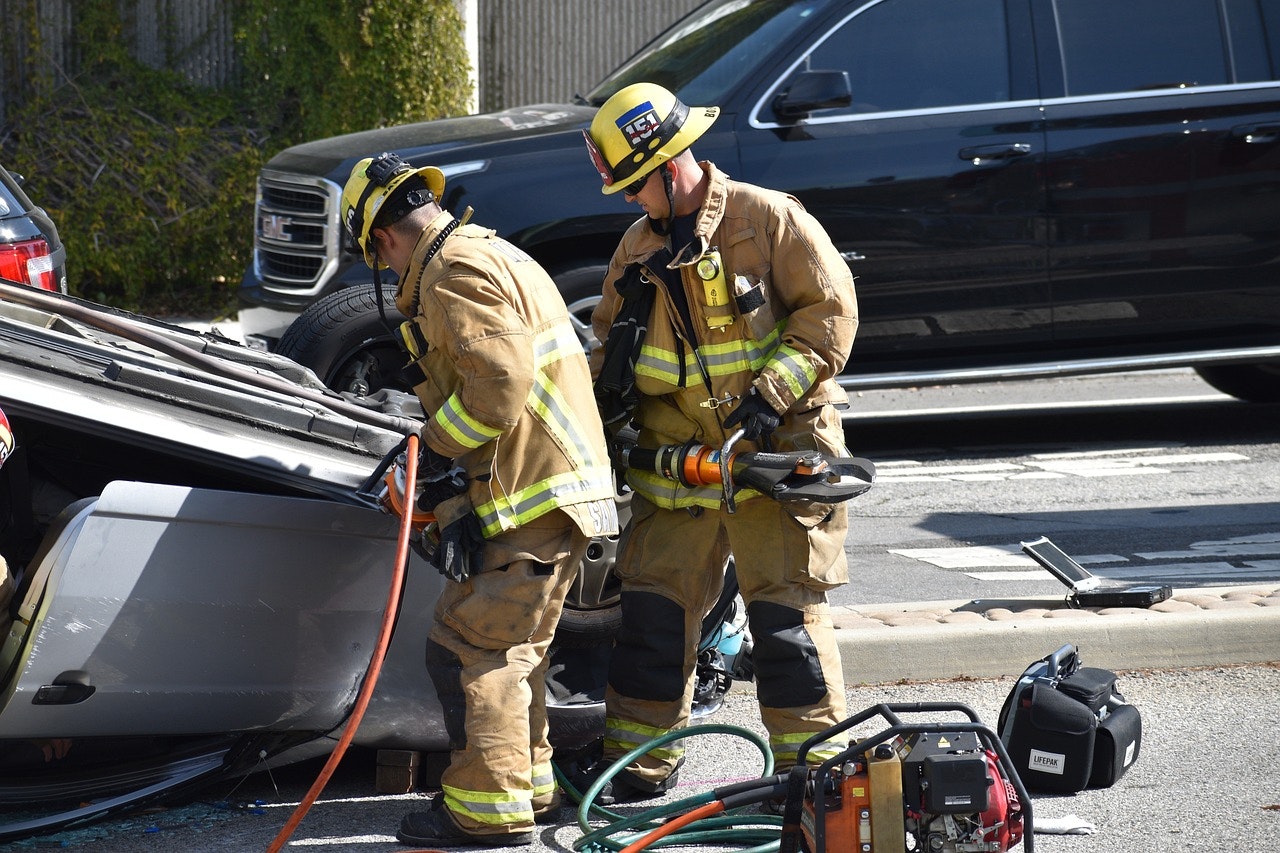
What to Do If You’re in a Car Accident in Fort Lauderdale
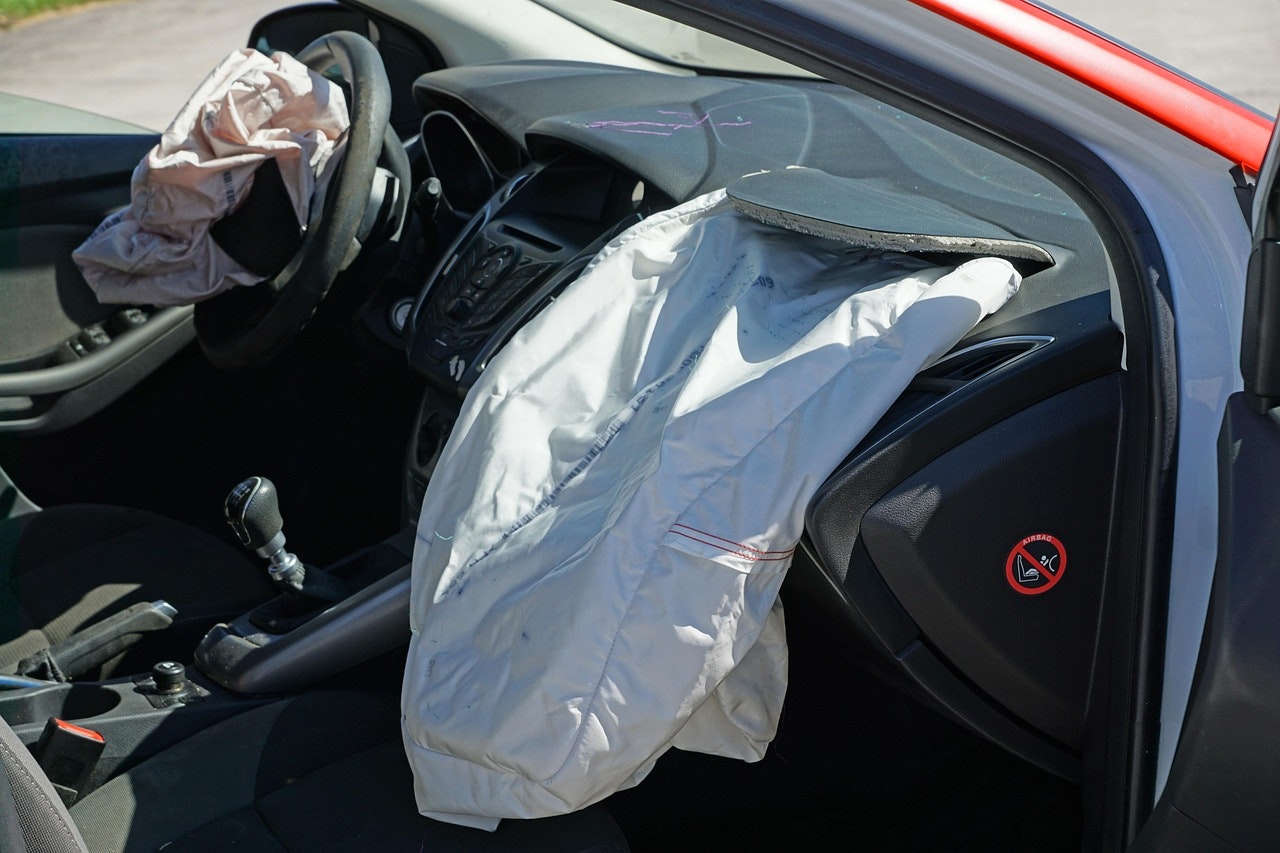
The Real Cost of a Truck Accident in Fort Lauderdale and South Florida
Who’s Liable in an Uber or Rideshare Accident in Florida?
What to Do After a Car Accident in South Florida
