

Proving Distracted Driving With Digital and Physical Evidence
Distracted driving remains a major contributor to car accidents nationwide, and demonstrating that a driver was not paying attention can be challenging. Attorneys often rely on multiple forms of evidence to build a clear picture of what happened. By combining digital activity, eyewitness accounts, and physical crash data, legal teams can more effectively show how distraction led to the collision.
As Distracted Driving Awareness Month approaches, understanding how these different types of evidence work together can help injury victims recognize the importance of swift legal action.
Digital Evidence: Uncovering the Driver’s Activity
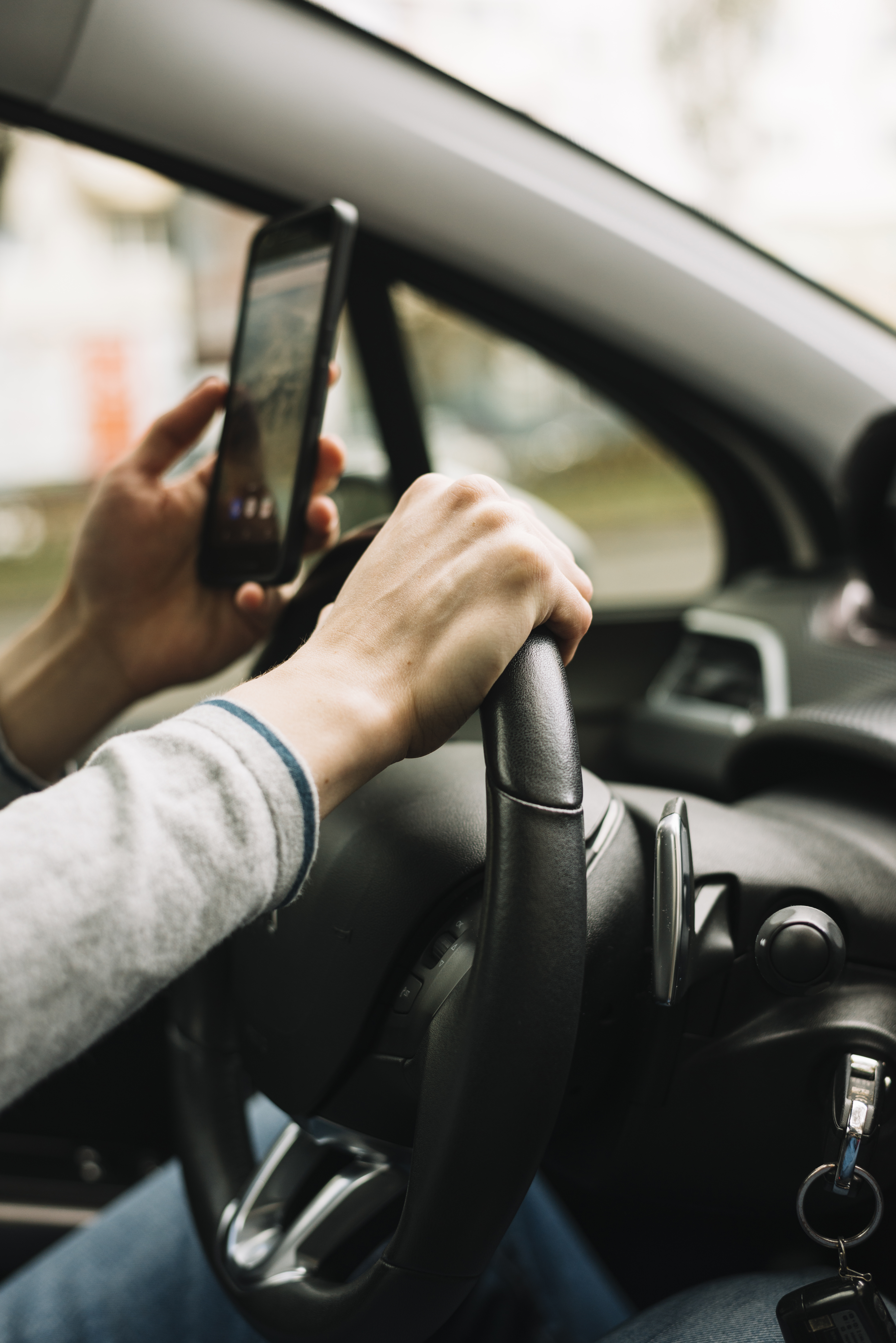
One of the strongest indicators of distracted driving comes from the driver’s mobile device. Phone logs, message timestamps, and app activity provide valuable insight into whether someone was using their smartphone around the moment of the crash. Even without reading actual messages, the timing of sent or received texts can point to driver distraction.
Accessing this type of data is not always simple. Wireless providers often keep records for limited periods, and obtaining them typically requires a subpoena. In some cases, forensic analysis of the phone may also be used to recover deleted information or analyze background activity, such as navigation checks, social media browsing, or opening communication apps.
Social Media and Location Indicators
In a digital-first world, it’s common for drivers to scroll social apps, post updates, or even record video content while behind the wheel. These actions, though seemingly innocent, can serve as critical pieces of evidence after a crash.
Location trails, app interactions, check-in data, and patterns like typing indicators or screen transitions may reveal that a driver’s focus was on their device instead of the roadway. When layered with phone data, these details help illustrate a pattern of inattention.
Eyewitness Accounts and Video Footage
Statements from witnesses such as passengers, other motorists, or pedestrians often play a central role in distracted driving cases. Observations like seeing a driver looking down, holding a phone, or appearing disengaged can support the broader timeline established by digital evidence.
Witnesses may also notice what occurs immediately after impact—for example, a driver admitting they were using their phone or having their screen illuminated on their lap. These real-time observations frequently help establish liability.
Traffic Cameras and Dashcam Video
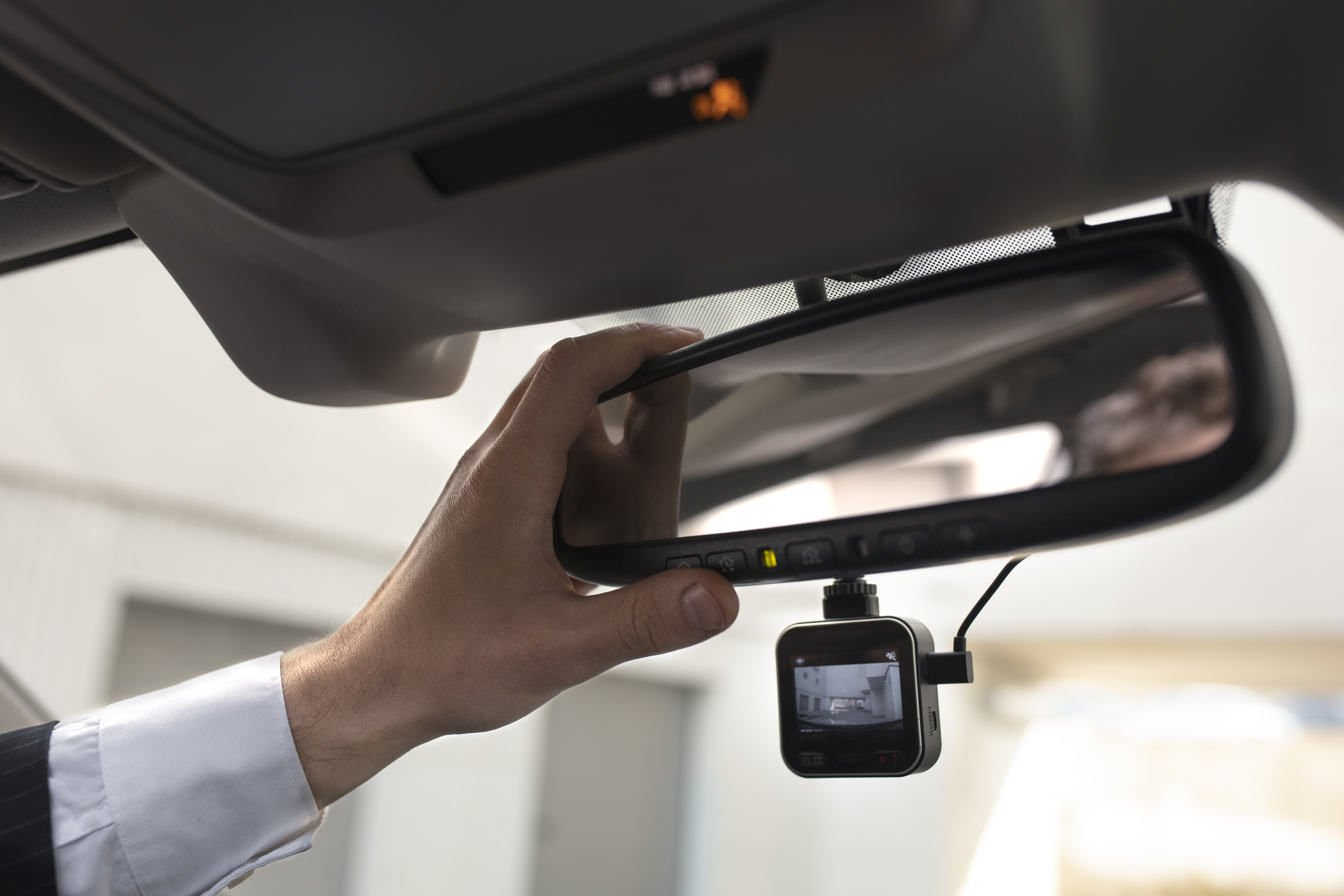
Surveillance systems in busy areas and dashcams used by everyday drivers can provide powerful visual proof of distraction. Footage showing drifting, delayed braking, or obvious device use can significantly strengthen an injury claim.
However, video recordings are often overwritten automatically, sometimes in a matter of hours. Attorneys must act quickly to request and preserve any recordings that may be relevant.
Vehicle and Scene Evidence: Physical Signs of Inattention
Many modern vehicles contain Event Data Recorders (EDRs), often referred to as “black boxes.” These devices track how the vehicle was operating in the seconds leading up to a crash, including speed, braking activity, steering adjustments, and acceleration.
If the data shows no attempt to brake or steer away from danger, it may indicate that the driver never saw the hazard due to distraction. Paired with digital findings or witness testimony, EDR information helps form a detailed story of what likely occurred.
On-Scene Damage and Roadway Evidence
Traditional crash investigation methods still provide essential context. Skid marks (or their absence), impact angles, and the position of debris can all reveal how the collision unfolded. A rear-end crash at a stoplight, for example, with no evidence of braking, strongly suggests the at-fault driver was not paying attention.
Accident reconstruction specialists often analyze this evidence to recreate the crash and assess whether the driver could have prevented the collision through timely reactions.
Why Quick Action Is Essential
Although this evidence is crucial, much of it is extremely time-sensitive. Phone carriers, social media platforms, and surveillance systems regularly purge old data. Many sources only store information for days or weeks before it is permanently erased. Additionally, subpoenas cannot be issued until a legal claim is officially underway.
For those reasons, contacting a personal injury attorney as soon as distracted driving is suspected is one of the most important steps after a crash. Legal teams can promptly send preservation requests, secure video footage, review vehicle and scene data, collaborate with reconstruction experts, and initiate the legal process before valuable evidence disappears.
Getting the Support You Need After a Distracted Driving Crash
Proving a distracted driving claim requires much more than suspicion—it depends on timely, thorough collection of digital, physical, and testimonial evidence. Whether the distraction involved texting, social media use, or navigation apps, uncovering these details is often essential to achieving a fair outcome.
If you believe distraction played a role in your accident, don’t wait to seek legal help. An experienced attorney can guide you through the steps needed to protect your rights and build a strong, evidence-backed case. Acting quickly can make all the difference in securing the justice and compensation you deserve.
What Out-of-State Drivers and Tourists Should Do After a South Florida Car Accident
How to Preserve Dashcam, Traffic Camera, and Surveillance Evidence After a Fort Lauderdale Crash
Who Is Liable in a South Florida Delivery Truck Accident?

How Insurance Companies Handle Personal Injury Claims

Slip and Fall Claims: What Injured Victims Should Know

What Rideshare Passengers Should Do After a Crash
What To Know About Summer DUI And BUI Checkpoints

Essential Pool Safety Tips for Fort Lauderdale Families and Visitors

Fireworks Safety Month: Essential Tips for Homeowners

Bicycle Safety Month: Working Together for Safer Roads

Motorcycle Safety Awareness: Reducing Risks for Everyone
Proving Distracted Driving With Digital and Physical Evidence

When a Fall Becomes a Legal Matter: Understanding Premises Liability
What If You Were Partially at Fault? Florida’s Modified Comparative Negligence Rule Explained
Should You Install a Dash Cam? Key Facts for Drivers

Spring Break Safety Tips: Simple Ways to Protect Yourself on Vacation
Do You Need a Lawyer After a “Minor” Car Accident in Florida?

What to Do After an Accident with an Uninsured Driver

How Long Do You Have to File a Florida Car Accident Claim? Deadlines That Can Cost You Everything
Should You Accept the Insurance Company’s First Settlement Offer After a Florida Car Accident?
7 Signs You Need a Personal Injury Attorney After a Wreck
The Importance of Seeing a Doctor After Any Car Accident

Understanding Florida’s 14-Day PIP Rule and How It Affects Your Car Accident Claim

7 Signs You Need a Personal Injury Attorney After a Wreck

Florida Truck Accidents: Why They’re Different from Car Crashes

Football Season and Head Injuries: Legal Issues in Youth Sports
What to Do If You’re in a Car Accident in Fort Lauderdale
The Real Cost of a Truck Accident in Fort Lauderdale and South Florida
Who’s Liable in an Uber or Rideshare Accident in Florida?

What to Do After a Car Accident in South Florida
