

Should You Install a Dash Cam? Key Facts for Drivers
Dash cams have become increasingly popular as drivers look for practical ways to document what happens on the road. These small devices can offer valuable clarity during stressful situations, especially when fault is uncertain. While they provide important benefits, they also come with limitations worth understanding. This guide breaks down what drivers should know before deciding whether a dash cam is the right fit.
Why More Drivers Are Turning to Dash Cams
Concerns about roadway safety continue to rise, and with accident rates still elevated compared to years past, many drivers are seeking tools that offer more protection. When insurance claims become disputes, having clear visual evidence can make the process far smoother.
Research also points to the value of recorded footage. One study in the Journal of Safety Research noted an 86% reduction in costs related to accidents when dash cams with driver feedback were used. Although the study focused on a specific setting, it reinforces how documented footage may reduce risky behavior and provide clarity after a collision. For the everyday driver, this highlights how video evidence can help resolve disagreements more efficiently.
What Dash Cams Capture During Normal Driving
Most dash cams are mounted on the dashboard or windshield and start recording as soon as the vehicle is on. They typically store footage on a memory card and use looping technology to overwrite older clips unless saved manually.
Some devices offer extra capabilities like motion detection, impact-triggered recording, or 24/7 monitoring while the car is parked. Others add features such as rear-facing cameras, night vision, GPS logging, or cloud backups. While advanced tools vary, their core purpose remains the same: creating an unbiased visual record of what occurred on the road.
How Footage Can Help After an Accident
One of the biggest advantages of using a dash cam is the ability to review the moments leading up to a crash. In situations where both drivers tell different stories and witnesses are unavailable, recorded video can help clarify the sequence of events.
Dash cam footage may show lane positions, signal changes, sudden braking, or other essential details. This can be useful for demonstrating when another driver failed to yield, ran a signal, or entered your lane. Clear documentation can reduce confusion during insurance discussions and lessen the stress of conflicting accounts.
Protection From Fraud or False Accusations
Though uncommon, staged collisions and fraudulent claims do occur. In these scenarios, having an objective recording can be incredibly valuable. There have been instances where dash cam video exposed intentional crashes or misleading statements meant to shift blame.
By capturing the actual events, dash cams can help shield you from being wrongly held responsible. While no device can prevent every bad-faith attempt, recorded footage makes fabricated stories much more difficult to defend.
Supporting Evidence in Hit-and-Run Cases
Hit-and-run accidents are particularly frustrating because identifying the other driver can be challenging. Dash cams may capture license plates, car models, or distinguishing features that assist in locating the responsible party.
Devices with parking mode can be especially helpful. If triggered by movement or impact, they may record incidents even when you're not present, providing another layer of potential protection.
Limitations You Should Be Aware Of
Despite their benefits, dash cams are not foolproof. They can only record what's within their viewing angle. If the lens is obstructed, the footage is blurry, or the accident happens outside the camera’s range, the video may offer little help.
It’s also important to remember that dash cams record everything—positive or negative. If footage shows speeding, distracted driving, or aggressive maneuvers, that information may be used against you. Video evidence is neutral and will reflect your actions as clearly as anyone else’s.
Legal and Privacy Considerations
Before installing a dash cam, it's important to consider relevant laws and regulations. Some states restrict where cameras can be placed on a windshield to ensure the driver’s view isn’t blocked. Improper placement could violate local rules or create safety issues.
Privacy laws are also essential. In states requiring both parties’ consent for audio recording, capturing in‑car conversations without permission could raise legal concerns. Handling and storing footage responsibly is another key step, especially if the clip might later become part of a claim or legal matter. Ensuring the footage remains intact and unaltered may be critical for its usability as evidence.
Is a Dash Cam the Right Choice for You?
Choosing whether to install a dash cam depends on your driving routine and comfort level. If you commute often, drive for work, or have previously dealt with disputed collisions, the benefits of recorded evidence may outweigh the drawbacks.
Others may have concerns about privacy, upkeep, or the possibility that the footage could be used unfavorably. Understanding how insurance providers and legal professionals may interpret dash cam clips is an important part of making an informed decision.
If you’ve recently been involved in a collision and have questions about how dash cam footage may influence a personal injury case, speaking with a professional can help. Video recordings can be powerful, but proper handling and interpretation are just as important as the footage itself. If you need guidance, reach out anytime—we’re here to assist.
Rental Car and Turo Accidents in Florida: Insurance and Claim Questions
What Out-of-State Drivers and Tourists Should Do After a South Florida Car Accident
How to Preserve Dashcam, Traffic Camera, and Surveillance Evidence After a Fort Lauderdale Crash
Who Is Liable in a South Florida Delivery Truck Accident?

How Insurance Companies Handle Personal Injury Claims

Slip and Fall Claims: What Injured Victims Should Know

What Rideshare Passengers Should Do After a Crash
What To Know About Summer DUI And BUI Checkpoints

Essential Pool Safety Tips for Fort Lauderdale Families and Visitors

Fireworks Safety Month: Essential Tips for Homeowners

Bicycle Safety Month: Working Together for Safer Roads

Motorcycle Safety Awareness: Reducing Risks for Everyone

Proving Distracted Driving With Digital and Physical Evidence

When a Fall Becomes a Legal Matter: Understanding Premises Liability

What If You Were Partially at Fault? Florida’s Modified Comparative Negligence Rule Explained
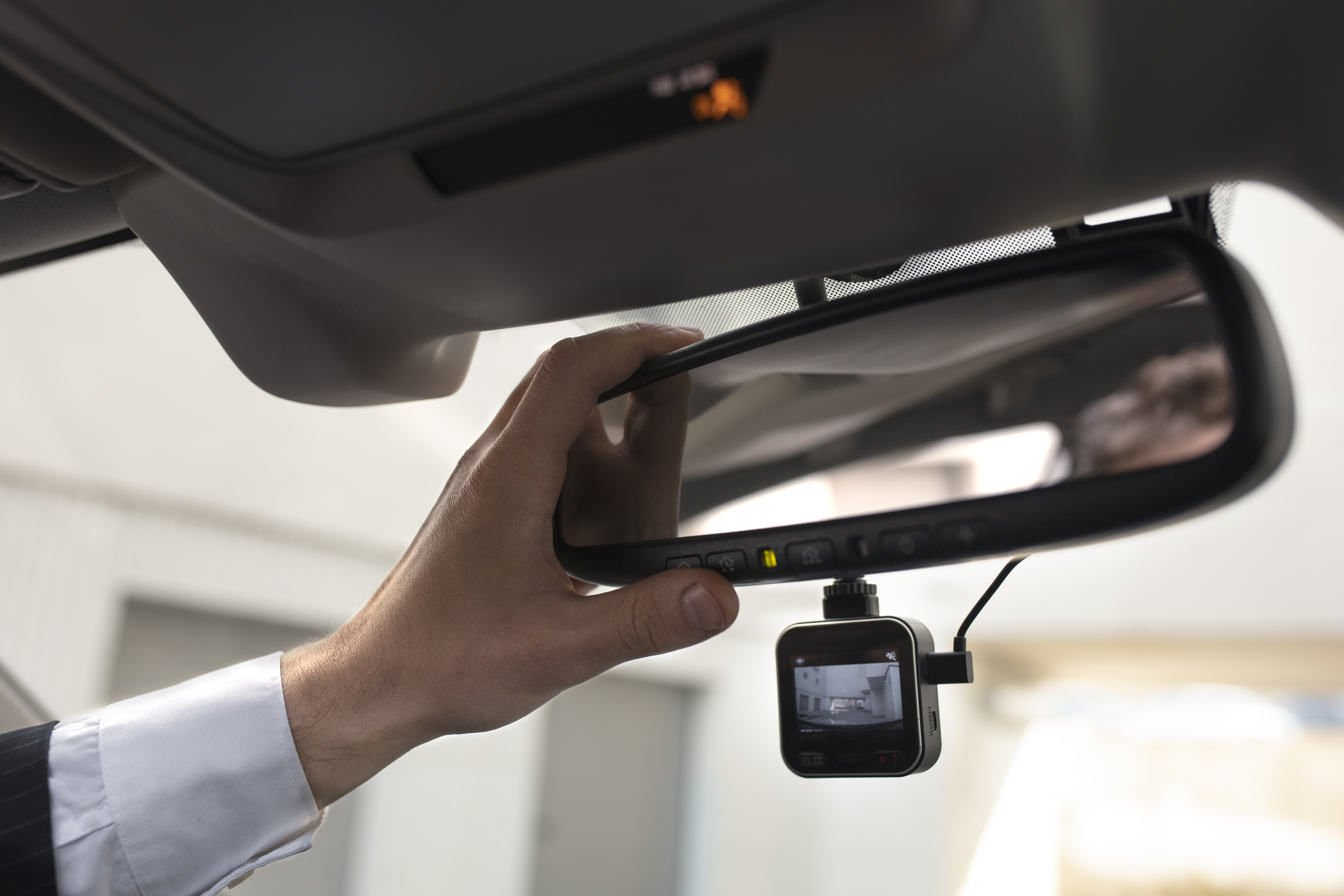
Should You Install a Dash Cam? Key Facts for Drivers

Spring Break Safety Tips: Simple Ways to Protect Yourself on Vacation

Do You Need a Lawyer After a “Minor” Car Accident in Florida?

What to Do After an Accident with an Uninsured Driver

How Long Do You Have to File a Florida Car Accident Claim? Deadlines That Can Cost You Everything

Should You Accept the Insurance Company’s First Settlement Offer After a Florida Car Accident?

7 Signs You Need a Personal Injury Attorney After a Wreck
The Importance of Seeing a Doctor After Any Car Accident

Understanding Florida’s 14-Day PIP Rule and How It Affects Your Car Accident Claim

7 Signs You Need a Personal Injury Attorney After a Wreck

Florida Truck Accidents: Why They’re Different from Car Crashes

Football Season and Head Injuries: Legal Issues in Youth Sports

What to Do If You’re in a Car Accident in Fort Lauderdale
The Real Cost of a Truck Accident in Fort Lauderdale and South Florida

Who’s Liable in an Uber or Rideshare Accident in Florida?

What to Do After a Car Accident in South Florida
