

Spring Break Safety Tips: Simple Ways to Protect Yourself on Vacation
Stay Safe and Enjoy Your Spring Break
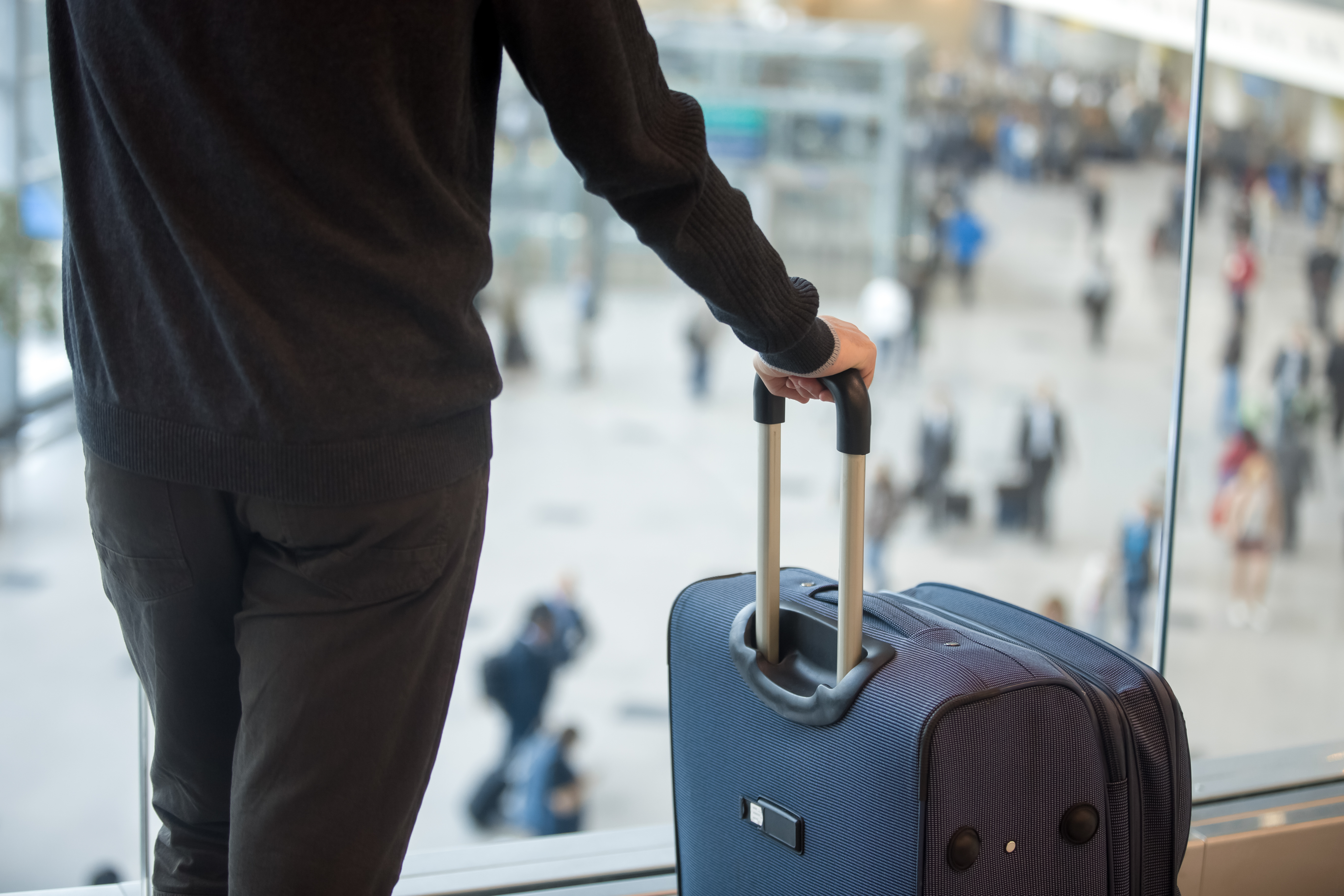
Spring break is a perfect chance to unwind, explore somewhere new, and spend time with the people you care about. Whether you’re taking a long road trip, catching a flight to a sunny destination, or relaxing by the water, keeping safety in mind can help you avoid unexpected trouble.
As personal injury attorneys, we often hear from people who return from spring break with injuries they never anticipated. Many of these situations could have been avoided with just a bit more preparation and awareness. To help you make the most of your time away, here are some key safety reminders to keep your trip both fun and worry-free.
Be Extra Careful on the Road
Traffic spikes during spring break, which makes roadway accidents more common. Long hours behind the wheel, distractions, and fatigue all increase the risk of something going wrong.
Before hitting the road, map out your route and build in time for breaks. Driving when you’re tired can impair your judgment just as much as alcohol does. If you're traveling with others, rotate drivers regularly and try to avoid overnight driving. Keep your phone out of reach so incoming notifications don’t tempt you to look away from the road.
Stay Aware in Your Hotel or Rental
No matter where you’re staying—hotel, resort, or vacation rental—taking a few easy precautions can help protect you and your belongings.
Make sure all windows and doors are locked whenever you’re inside or out exploring. Avoid publicly sharing your room number or posting it online. Use the in-room safe to store essentials like your passport, credit cards, and electronics. If you own one, a portable door alarm can provide added security and peace of mind.
Injuries can still happen, even in well-kept properties. Poor lighting, uneven walkways, or unstable furniture can all lead to unexpected accidents. If you’re injured, notify staff or the property manager immediately and document what occurred.
Use Caution Around Water
Many spring break trips involve water—whether it’s a lake, ocean, or hotel pool. While these activities are fun, they can be dangerous if you’re not paying attention.
If you’re boating, jet skiing, or participating in other water sports, always wear a life jacket. Never mix alcohol with swimming or water recreation, as many serious injuries happen when people are impaired. If your lodging has a pool, ensure access doors remain secure when not in use. Families with children should double-check that pool gates close and latch properly.
Before heading to the beach or out on the water, check weather and surf conditions. Weather can shift quickly, and being aware can help you avoid hazardous situations.
Stick With a Buddy or Stay Connected
Traveling as a group is generally safer than going solo, but even groups can get separated or lose track of each other.
Try using a buddy system so everyone has someone to check in with, especially in crowded tourist areas. Choose a designated meetup spot in case someone loses track of the group. If you’re traveling alone, share your itinerary with someone back home and check in regularly. Avoid walking alone late at night and trust your instincts if something doesn’t seem right.
Be Mindful With Social Media
Posting real-time photos and updates may seem harmless, but it can signal to others that your home is unoccupied—making it a potential target for break-ins.
Consider saving your vacation updates until you return home. If you do post during your trip, avoid sharing your exact location or tagging yourself at specific places. Limiting those details can help protect both your safety and your home while you’re away.
Know How to Respond if You’re Hurt
Even with the best intentions, accidents can still happen while traveling. If you’re injured, staying calm and taking the right steps can make a big difference.
Start by writing down what happened as soon as you can. Take photos of the scene and your injuries. If there were witnesses, gather their contact information. Always seek medical attention, even if the injury seems minor—some issues don’t show symptoms right away, and having a medical record can be important if you pursue a legal claim later.
As soon as possible, reach out to a personal injury attorney. They can explain your legal rights, help you understand your options, and work on your behalf to pursue compensation if you’re entitled to it.
Prepare Before You Leave
A little preparation before you travel can prevent stress later on. Make copies of essential documents such as your ID, travel insurance, and emergency contacts. Keep both digital and printed versions in separate secure locations. If traveling internationally, look up local emergency numbers and identify the nearest U.S. embassy or consulate.
Travel insurance is also worth considering, particularly if you’re flying abroad or planning adventurous excursions. It may cover unexpected events such as trip cancellations, medical emergencies, lost baggage, or even legal assistance.
Have Fun—And Stay Alert
Spring break should be a time to relax, have fun, and enjoy a change of scenery—not a time spent dealing with injuries or legal headaches. With a bit of planning—like mapping your drive, securing your accommodations, being cautious around water, staying connected, and being selective about what you post online—you can reduce risks and focus on making great memories.
And if something does happen, remember you don’t have to handle it on your own. We’re here to walk you through your rights and what steps to take next. Have a safe and enjoyable spring break—and don’t hesitate to reach out if you need help.
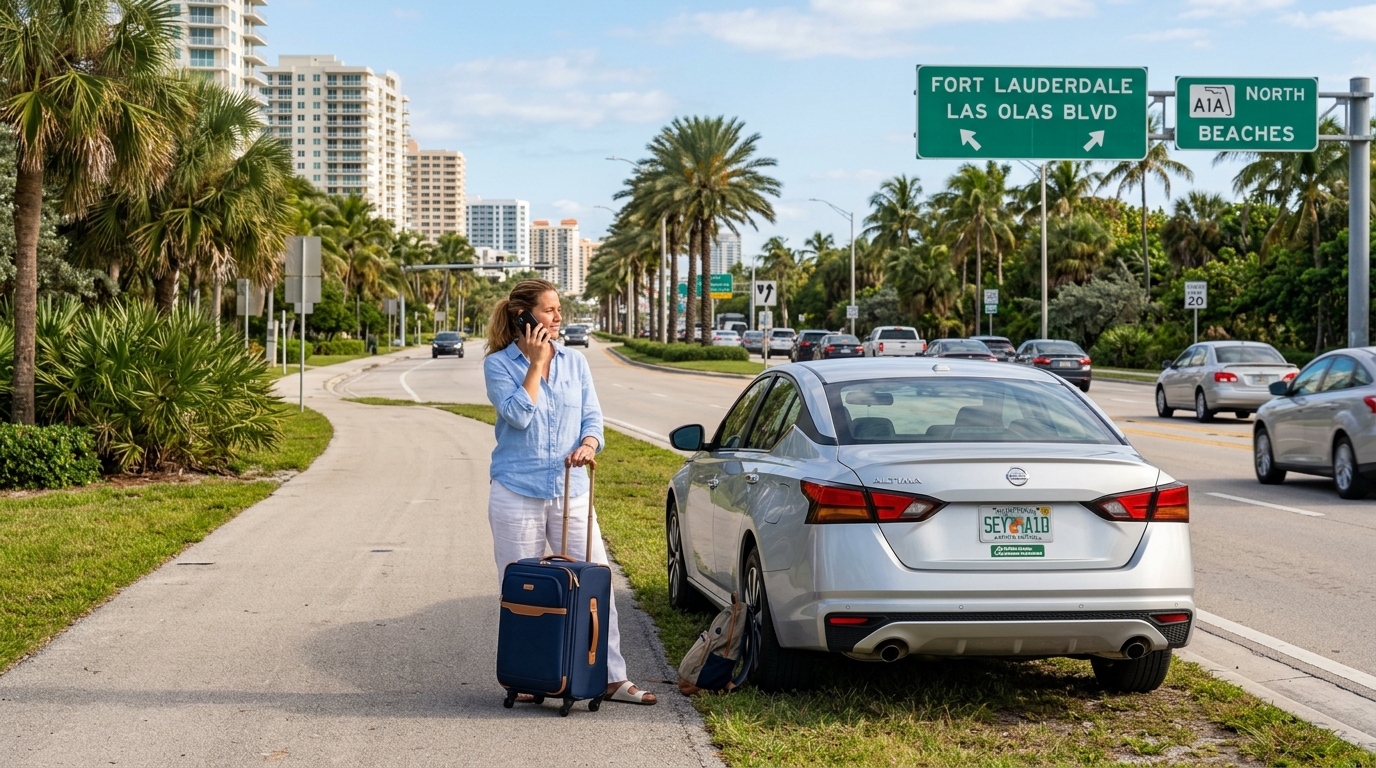
What Out-of-State Drivers and Tourists Should Do After a South Florida Car Accident
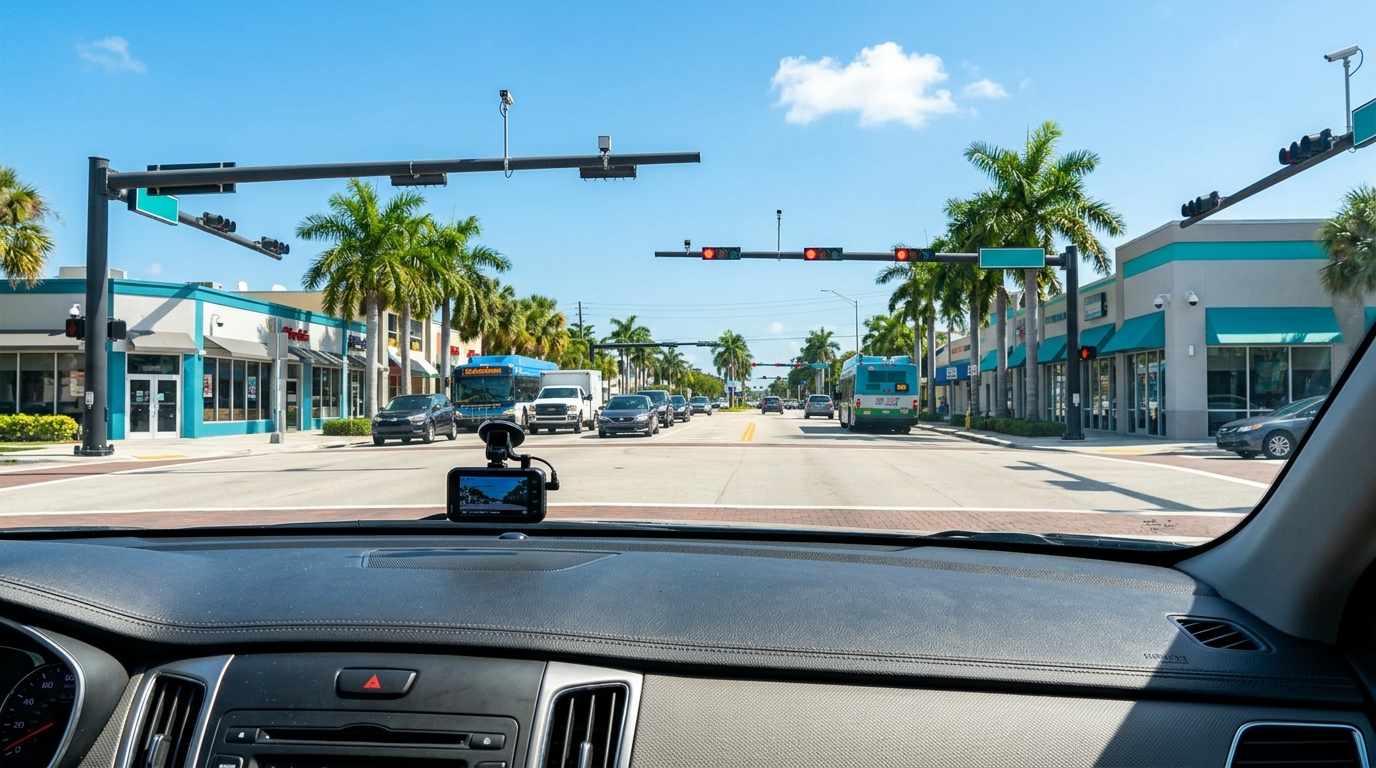
How to Preserve Dashcam, Traffic Camera, and Surveillance Evidence After a Fort Lauderdale Crash
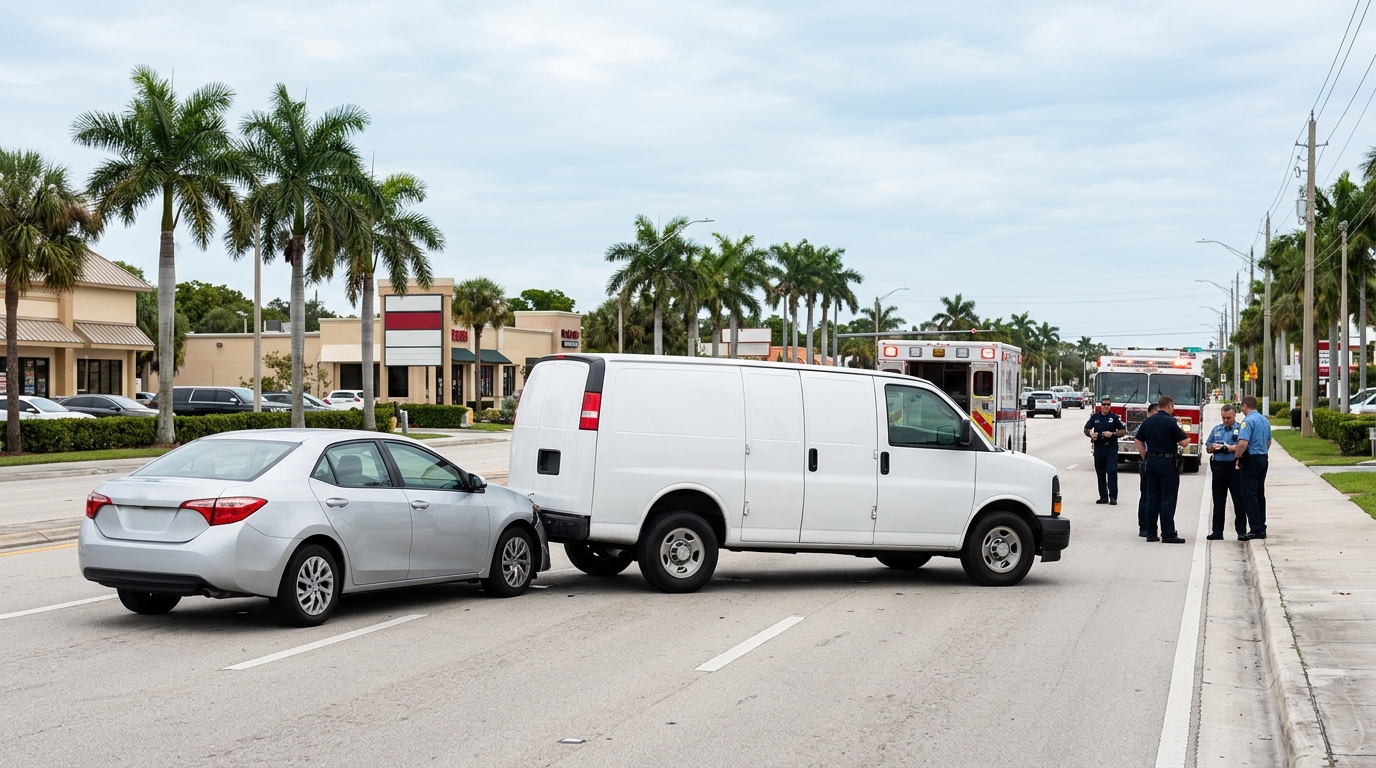
Who Is Liable in a South Florida Delivery Truck Accident?

How Insurance Companies Handle Personal Injury Claims

Slip and Fall Claims: What Injured Victims Should Know

What Rideshare Passengers Should Do After a Crash
What To Know About Summer DUI And BUI Checkpoints

Essential Pool Safety Tips for Fort Lauderdale Families and Visitors

Fireworks Safety Month: Essential Tips for Homeowners

Bicycle Safety Month: Working Together for Safer Roads

Motorcycle Safety Awareness: Reducing Risks for Everyone
Proving Distracted Driving With Digital and Physical Evidence

When a Fall Becomes a Legal Matter: Understanding Premises Liability

What If You Were Partially at Fault? Florida’s Modified Comparative Negligence Rule Explained
Should You Install a Dash Cam? Key Facts for Drivers
Spring Break Safety Tips: Simple Ways to Protect Yourself on Vacation

Do You Need a Lawyer After a “Minor” Car Accident in Florida?

What to Do After an Accident with an Uninsured Driver

How Long Do You Have to File a Florida Car Accident Claim? Deadlines That Can Cost You Everything

Should You Accept the Insurance Company’s First Settlement Offer After a Florida Car Accident?

7 Signs You Need a Personal Injury Attorney After a Wreck

The Importance of Seeing a Doctor After Any Car Accident

Understanding Florida’s 14-Day PIP Rule and How It Affects Your Car Accident Claim

7 Signs You Need a Personal Injury Attorney After a Wreck

Florida Truck Accidents: Why They’re Different from Car Crashes

Football Season and Head Injuries: Legal Issues in Youth Sports

What to Do If You’re in a Car Accident in Fort Lauderdale
The Real Cost of a Truck Accident in Fort Lauderdale and South Florida

Who’s Liable in an Uber or Rideshare Accident in Florida?

What to Do After a Car Accident in South Florida
