

Bicycle Safety Month: Working Together for Safer Roads
May is recognized as Bicycle Safety Month, offering an important reminder that road safety relies on shared responsibility. With over 1,160 bicyclists losing their lives in traffic crashes each year in the United States, the need for greater awareness is undeniable. These numbers highlight how exposed cyclists are on the road and why cooperation between drivers and riders matters more than ever.
As warmer days encourage more people to bike for fitness, commuting, or recreation, focusing on safe behavior becomes even more essential. Whether you are behind the wheel or on a bike, knowing the rules of the road can prevent severe injuries and protect lives.
Why Bicycle Safety Month Matters
In every state, bicycles are legally classified as vehicles. Cyclists have the same right to use the road as drivers—and they must follow the same traffic regulations. Unfortunately, crashes often arise from misunderstandings about where cyclists belong or how drivers should behave around them.
Since motor vehicles outweigh bicycles by thousands of pounds, cyclists are far more likely to suffer serious harm in collisions. Bicycle Safety Month serves as an annual reminder that courtesy, awareness, and respect help create safer roads for everyone.
Safety Tips for Drivers
Drivers have a major influence on bicycle safety, and small adjustments can prevent life‑changing crashes. Keeping the size and weight difference between cars and bicycles in mind encourages more mindful driving, especially in areas frequented by cyclists.
Because bicycles are considered vehicles under the law, cyclists have the right to use travel lanes—particularly when bike lanes are unavailable or too narrow. Assuming that cyclists should ride on sidewalks or hug the shoulder can create dangerous situations. Treating cyclists as legitimate road users helps reduce conflicts and confusion.
When overtaking a cyclist, slowing down and providing ample space is essential. Many states require at least three feet of clearance when passing, but even in places without a defined minimum, giving extra space and maintaining a steady speed promotes safer conditions.
Drivers must also exercise caution when making turns. Intersections are common sites for bicycle crashes. Before turning right or left, signal early, check mirrors, scan blind spots, and look specifically for cyclists traveling straight through the intersection. A brief pause to ensure the way is clear can prevent a serious crash.
Another preventable danger is “dooring,” which occurs when someone opens a vehicle door into a cyclist’s path. To reduce this risk, many people use the Dutch Reach—opening the door with the hand farthest from it, which naturally encourages a look over the shoulder before stepping out.
Above all, drivers must remain focused. Many collisions happen simply because a driver never saw the cyclist. Staying off the phone and keeping attention on the road is one of the most effective ways to safeguard vulnerable road users.
Safety Tips for Cyclists
Cyclists also play a key role in keeping roads safe. Riding defensively, obeying traffic laws, and staying visible can significantly reduce the chances of injury.
Riding with the flow of traffic is essential. Although riding against traffic might feel safer, it reduces reaction time and makes it harder for drivers to predict a cyclist’s movements. Staying aligned with vehicle traffic improves overall consistency and visibility.
Following traffic laws is equally important. Stop signs, traffic lights, and right‑of‑way rules apply to cyclists as well as drivers. Adhering to these laws not only enhances safety but also helps drivers understand what to expect.
Being visible and predictable greatly increases safety. Cyclists should ride in a straight path, use clear hand signals, and avoid weaving between parked cars. Bright or reflective clothing helps during daylight, and lights or reflectors are vital at night. The more visible a cyclist is, the easier it is for drivers to respond appropriately.
Avoiding distractions is also critical. Phones, headphones, and other diversions reduce awareness of traffic and hazards. Staying alert—and knowing local rules about headphone use—helps cyclists react quickly when needed.
Sometimes, riding in the center of the lane is the safest choice, particularly when the road is narrow or conditions make sharing unsafe. Although it may feel uncomfortable, claiming the lane increases visibility and discourages risky passing attempts.
Working Together for Safer Roads
Bicycle Safety Month reminds us that safety depends on shared responsibility. Drivers must slow down, use turn signals, and look for cyclists before turning or opening doors. Cyclists must stay visible, follow traffic rules, and ride predictably.
A moment of patience or awareness can make the difference between a safe trip and a devastating crash. When drivers and cyclists understand each other’s rights and obligations, the road becomes safer for everyone.
If you or someone you know has been injured in a bicycle-related incident, it’s important to understand your legal rights. Our firm handles personal injury, criminal defense, and litigation matters and is available to provide trusted support. Contact us today to discuss your situation and learn how we can help protect your interests.
How to Preserve Dashcam, Traffic Camera, and Surveillance Evidence After a Fort Lauderdale Crash
Who Is Liable in a South Florida Delivery Truck Accident?

How Insurance Companies Handle Personal Injury Claims

Slip and Fall Claims: What Injured Victims Should Know

What Rideshare Passengers Should Do After a Crash
What To Know About Summer DUI And BUI Checkpoints

Essential Pool Safety Tips for Fort Lauderdale Families and Visitors

Fireworks Safety Month: Essential Tips for Homeowners

Bicycle Safety Month: Working Together for Safer Roads

Motorcycle Safety Awareness: Reducing Risks for Everyone
Proving Distracted Driving With Digital and Physical Evidence

When a Fall Becomes a Legal Matter: Understanding Premises Liability

What If You Were Partially at Fault? Florida’s Modified Comparative Negligence Rule Explained
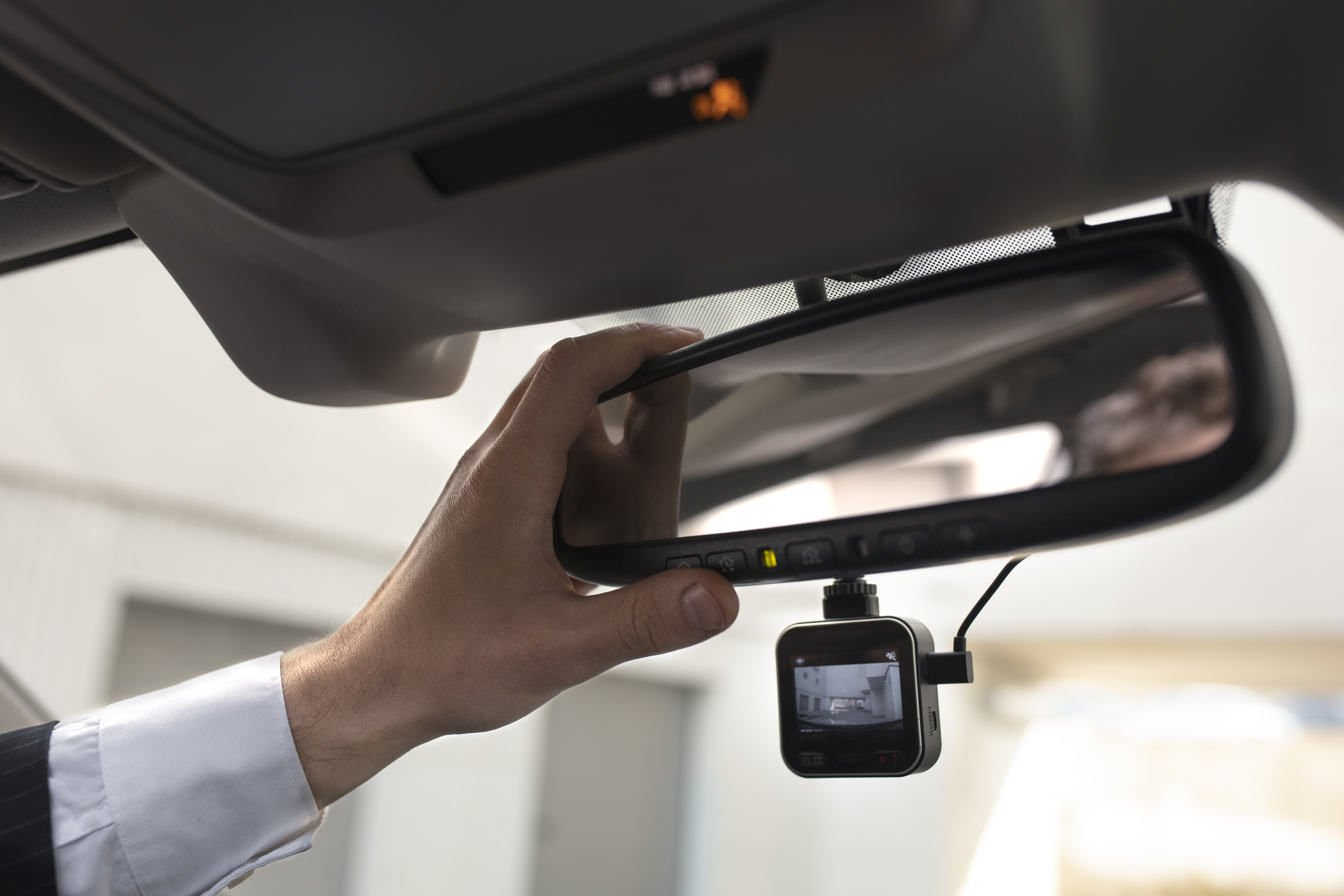
Should You Install a Dash Cam? Key Facts for Drivers

Spring Break Safety Tips: Simple Ways to Protect Yourself on Vacation

Do You Need a Lawyer After a “Minor” Car Accident in Florida?

What to Do After an Accident with an Uninsured Driver

How Long Do You Have to File a Florida Car Accident Claim? Deadlines That Can Cost You Everything
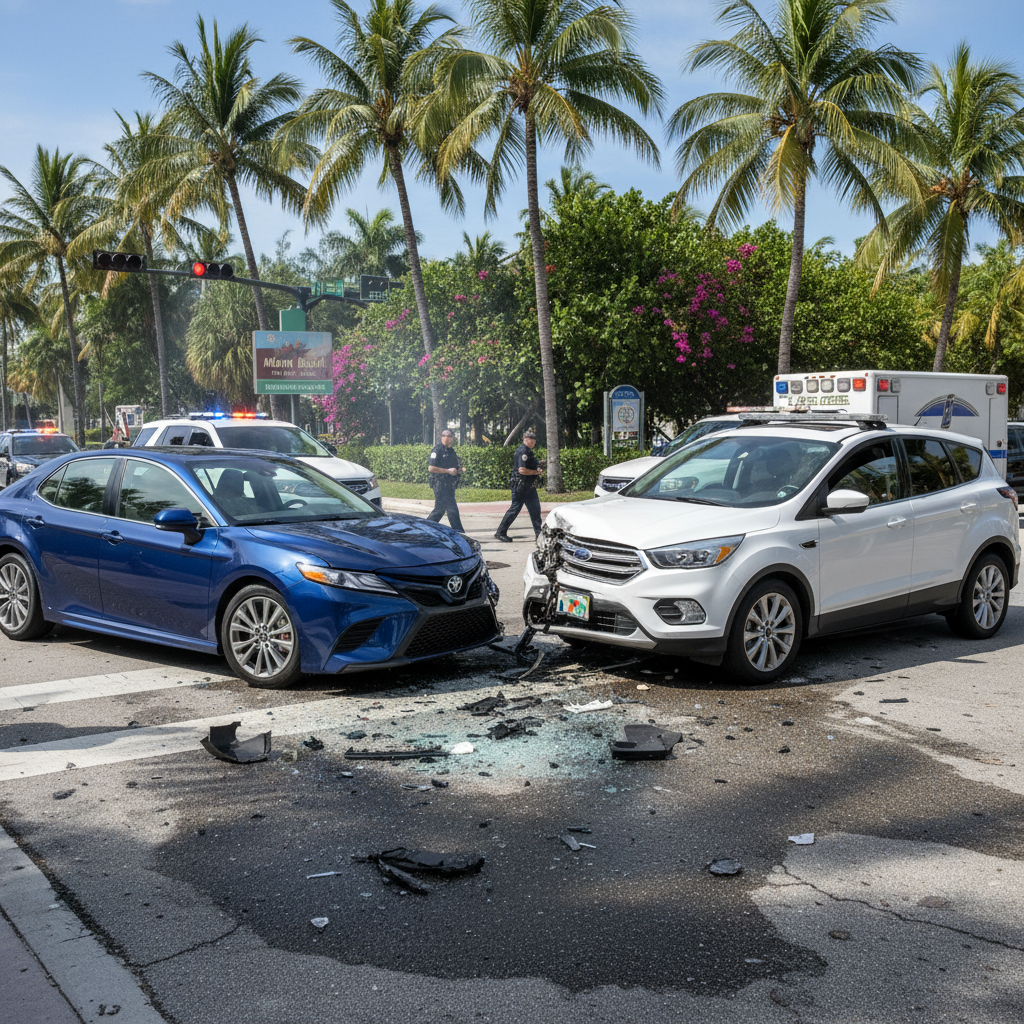
Should You Accept the Insurance Company’s First Settlement Offer After a Florida Car Accident?
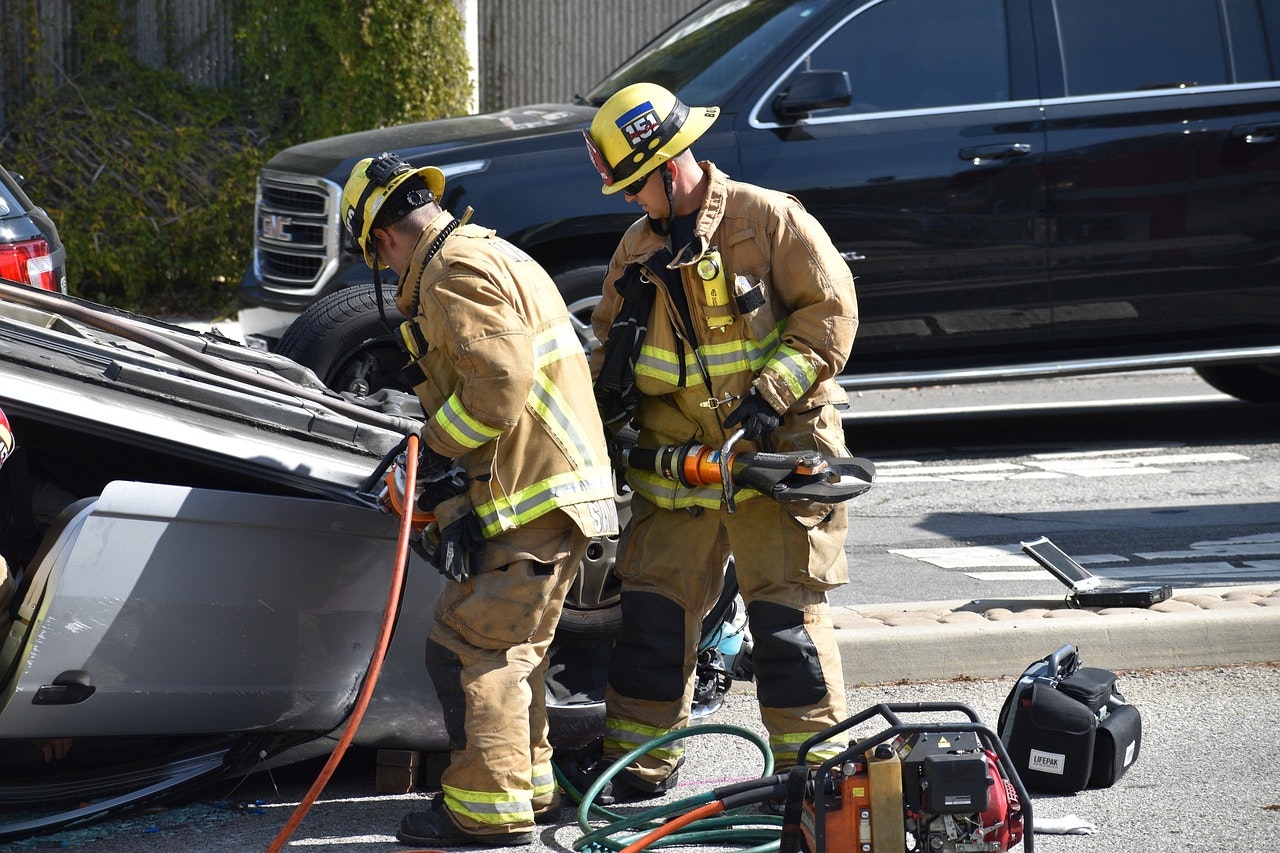
7 Signs You Need a Personal Injury Attorney After a Wreck
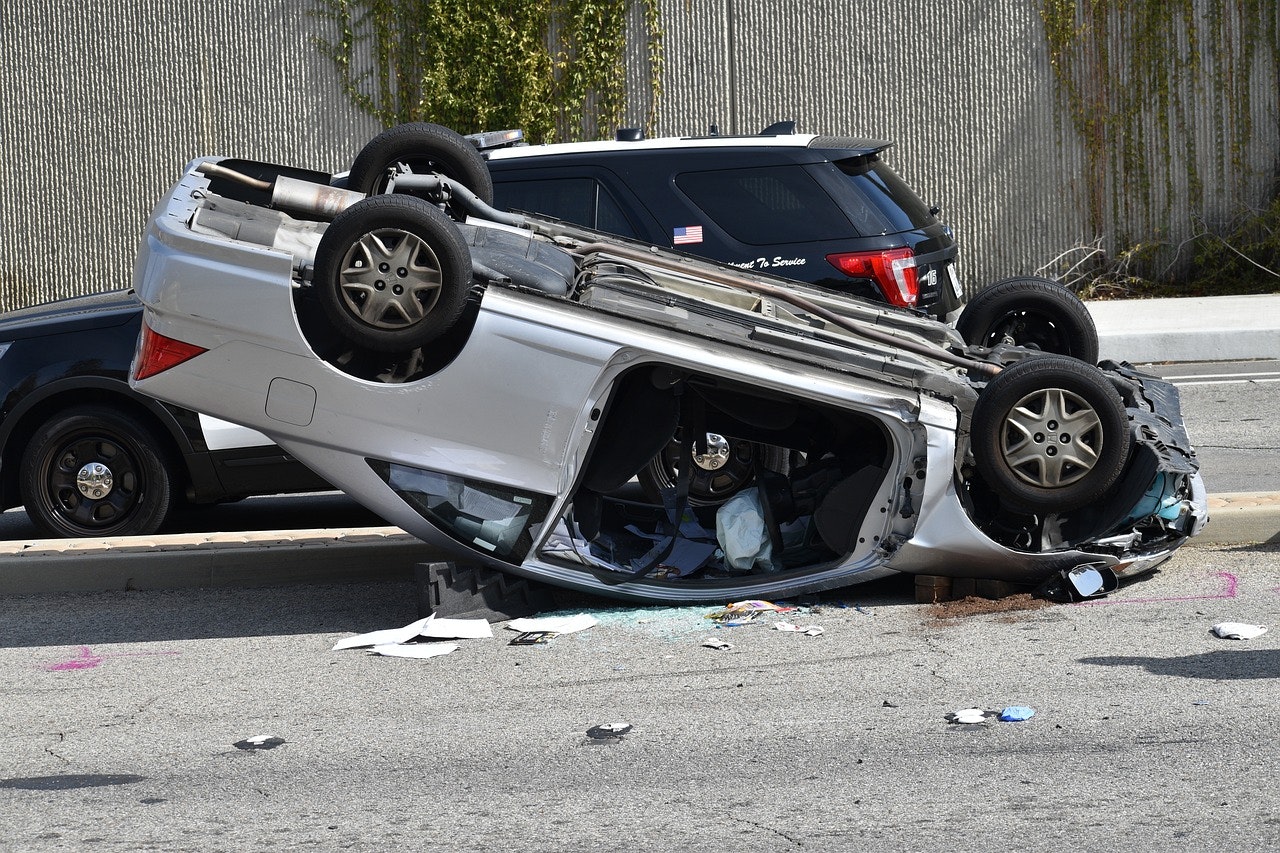
The Importance of Seeing a Doctor After Any Car Accident

Understanding Florida’s 14-Day PIP Rule and How It Affects Your Car Accident Claim

7 Signs You Need a Personal Injury Attorney After a Wreck

Florida Truck Accidents: Why They’re Different from Car Crashes

Football Season and Head Injuries: Legal Issues in Youth Sports
What to Do If You’re in a Car Accident in Fort Lauderdale
The Real Cost of a Truck Accident in Fort Lauderdale and South Florida

Who’s Liable in an Uber or Rideshare Accident in Florida?
What to Do After a Car Accident in South Florida
