
When a Fall Becomes a Legal Matter: Understanding Premises Liability
Falls can occur in everyday places, from retail stores and parking lots to apartment complexes or a neighbor's yard. When an injury follows, it’s natural to question whether it was a simple accident or the result of someone else’s oversight. Knowing how premises liability works can help you understand both your rights and a property owner’s responsibilities.
This guide breaks down when a fall may lead to a legitimate claim and what factors determine legal responsibility.
What Premises Liability Means
Premises liability is the legal principle that holds property owners or those managing a property responsible for keeping the environment reasonably safe for people who are lawfully present. If an injury occurs because of a dangerous condition that should have been fixed or at least clearly marked, the owner may be considered legally at fault.
Examples of hazardous conditions include wet floors without warning signs, loose or uneven steps, inadequate lighting in areas like hallways or staircases, cluttered walkways, or construction zones that lack proper caution notices. When these issues go unaddressed, they can form the basis of a liability claim.
Not All Falls Lead to Legal Action
Even though falls can cause significant harm, not every incident qualifies for legal compensation. To pursue a claim successfully, there must be evidence of negligence. In other words, the owner must have known—or reasonably should have known—about the hazardous condition and failed to take action.
For example, tripping because your own shoelace came undone would not support a claim. However, slipping on a spill that has been left unattended for several hours or falling down stairs missing a railing may suggest owner negligence.
The Importance of a Property Owner’s Duty of Care
A property owner’s duty of care refers to their legal responsibility to maintain safe conditions for visitors. This involves routine property checks, correcting dangerous conditions promptly, and placing visible warnings in areas where hazards cannot be fixed immediately.
If an owner neglects these obligations and an injury occurs as a result, they may be held responsible for the harm caused.
How Your Visitor Status Affects Protection
Premises liability laws provide varying levels of protection depending on the visitor’s reason for being on the property. Customers, clients, or others invited onto the premises for business purposes—known as invitees—are owed the highest level of care. Social guests, called licensees, are also protected but to a lesser degree. Trespassers, by contrast, receive minimal protection, though property owners still cannot intentionally cause them harm.
Special rules apply to children under the “attractive nuisance” doctrine. This legal concept holds property owners responsible for dangers that may attract children, such as pools or abandoned structures, because children may not recognize the risks.
Key Elements You Must Prove in a Liability Claim
To succeed in a premises liability case, several important elements must be established. First, you must prove that the party you’re suing had control over the location where the fall occurred. Then you need to show that a dangerous condition was present.
You must also demonstrate that the property owner either knew about the hazard or reasonably should have discovered it. Additionally, you must link the hazardous condition directly to your injury and provide evidence of real harm—such as medical bills, time away from work, or physical and emotional suffering.
All these components work together to form the foundation of a valid claim.
Why Evidence Matters
Strong documentation can significantly improve your chances of success in a premises liability case. This may involve taking photos of the dangerous area, gathering statements from witnesses, saving medical records and bills, or obtaining available surveillance footage.
Reports filed with the property owner and any communications showing the hazard was known or reported can also help demonstrate negligence.
Common Defenses from Property Owners
Property owners often challenge claims by arguing that the injured person bears some responsibility. They might say the hazard was clearly visible, that the injured person was distracted or acting recklessly, or that the individual was somewhere they were not permitted to be.
States that use comparative negligence laws reduce compensation based on how much fault is assigned to the injured person. In states that follow contributory negligence rules, even slight fault by the injured party can eliminate compensation entirely. These complexities make legal representation especially beneficial.
What Compensation May Cover
When a claim succeeds, compensation can address both financial and non-financial losses. This might include medical expenses, rehabilitation, physical therapy, and wages lost during recovery. It may also account for emotional distress, reduced enjoyment of life, or long-term effects of the injury.
In rare cases involving extreme carelessness, punitive damages may be awarded to discourage similar conduct in the future.
Why Legal Guidance Matters
If you or someone you care about has been hurt in a fall and you’re uncertain whether negligence may be involved, seeking legal advice can provide clarity. A premises liability attorney can help evaluate the circumstances, determine whether a claim is viable, and guide you through your options with confidence.
You don’t need to navigate the process alone—reach out to schedule a consultation and learn more about protecting your rights.
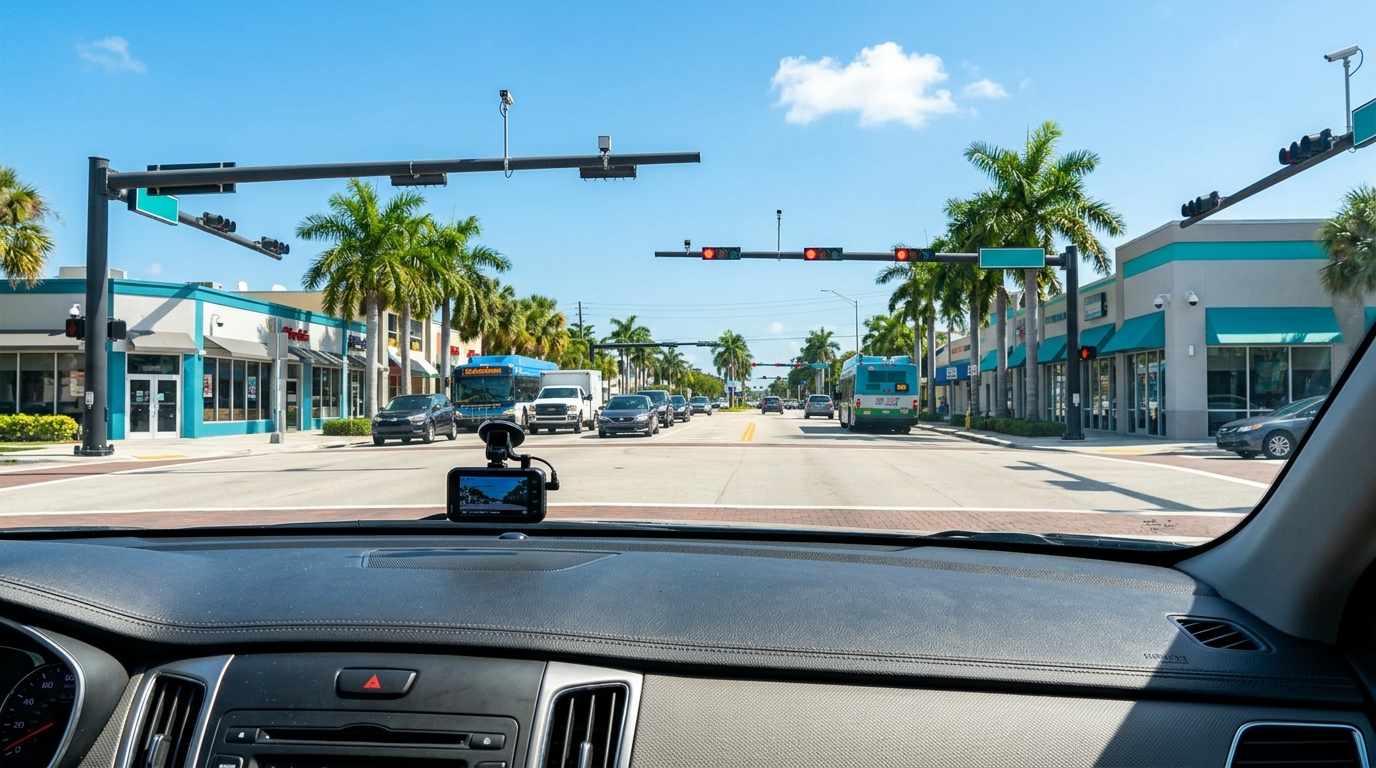
How to Preserve Dashcam, Traffic Camera, and Surveillance Evidence After a Fort Lauderdale Crash
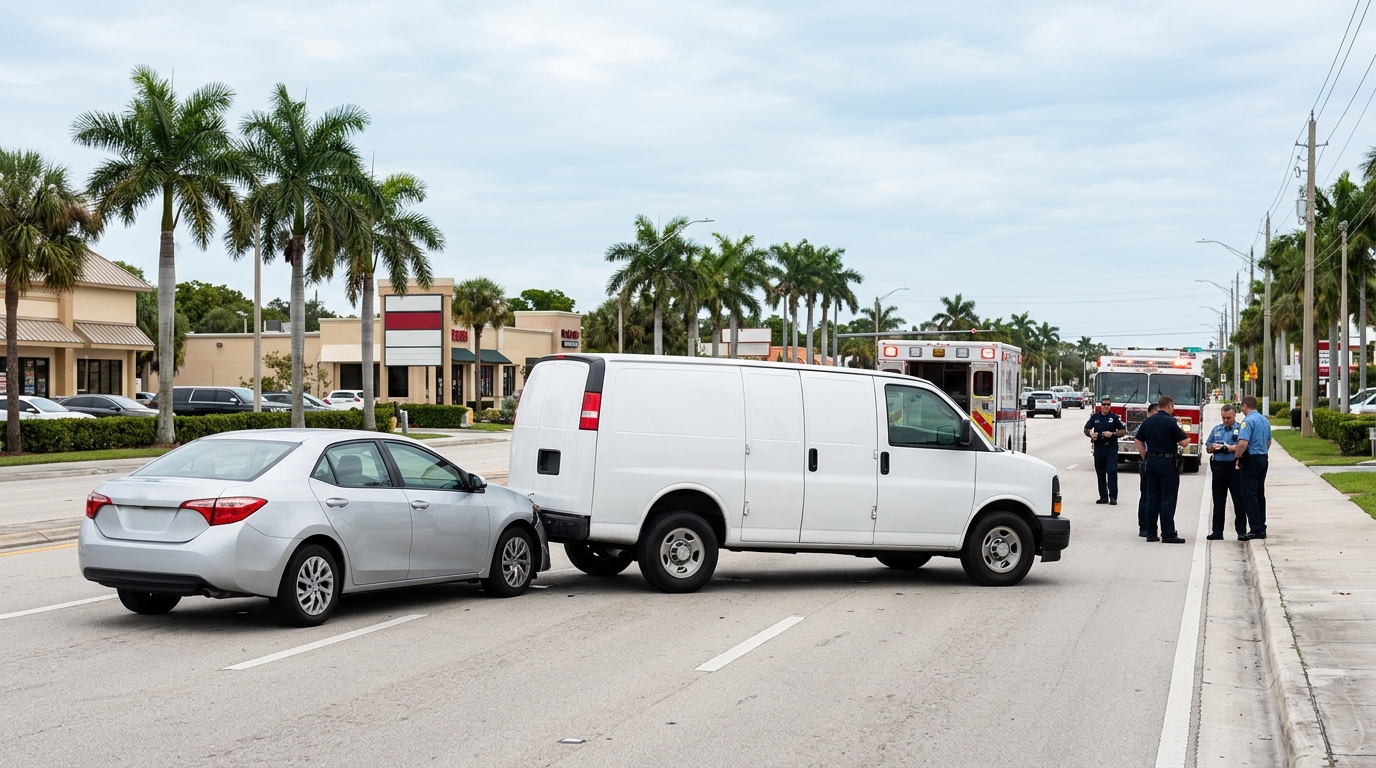
Who Is Liable in a South Florida Delivery Truck Accident?

How Insurance Companies Handle Personal Injury Claims

Slip and Fall Claims: What Injured Victims Should Know

What Rideshare Passengers Should Do After a Crash

What To Know About Summer DUI And BUI Checkpoints

Essential Pool Safety Tips for Fort Lauderdale Families and Visitors

Fireworks Safety Month: Essential Tips for Homeowners

Bicycle Safety Month: Working Together for Safer Roads

Motorcycle Safety Awareness: Reducing Risks for Everyone

Proving Distracted Driving With Digital and Physical Evidence
When a Fall Becomes a Legal Matter: Understanding Premises Liability
What If You Were Partially at Fault? Florida’s Modified Comparative Negligence Rule Explained
Should You Install a Dash Cam? Key Facts for Drivers

Spring Break Safety Tips: Simple Ways to Protect Yourself on Vacation

Do You Need a Lawyer After a “Minor” Car Accident in Florida?

What to Do After an Accident with an Uninsured Driver

How Long Do You Have to File a Florida Car Accident Claim? Deadlines That Can Cost You Everything
Should You Accept the Insurance Company’s First Settlement Offer After a Florida Car Accident?
7 Signs You Need a Personal Injury Attorney After a Wreck
The Importance of Seeing a Doctor After Any Car Accident

Understanding Florida’s 14-Day PIP Rule and How It Affects Your Car Accident Claim

7 Signs You Need a Personal Injury Attorney After a Wreck

Florida Truck Accidents: Why They’re Different from Car Crashes

Football Season and Head Injuries: Legal Issues in Youth Sports
What to Do If You’re in a Car Accident in Fort Lauderdale
The Real Cost of a Truck Accident in Fort Lauderdale and South Florida

Who’s Liable in an Uber or Rideshare Accident in Florida?

What to Do After a Car Accident in South Florida
