

Fireworks Safety Month: Essential Tips for Homeowners
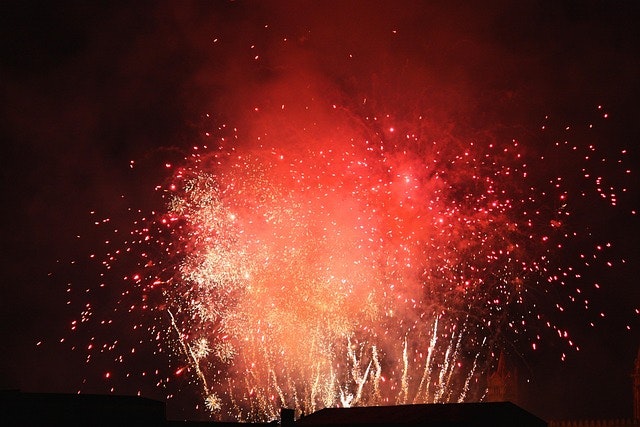
June marks Fireworks Safety Month, offering an important reminder that backyard celebrations can bring real risks if fireworks are used without careful planning. Many families begin preparing for summer gatherings well before the Fourth of July, but even small displays can lead to injuries, property damage, and legal complications. Understanding these hazards helps homeowners keep their friends, families, and neighborhoods safe.
Taking time to review key safety considerations can make a major difference. Whether you are hosting a cookout or planning your own fireworks display, staying informed ensures your celebration remains enjoyable and responsible.
Fireworks Can Cause Serious Injuries
Fireworks are exciting to watch, but they can become extremely dangerous when mishandled. Every year, thousands of people need medical care because of fireworks-related accidents, many of which affect the hands, face, and eyes. These injuries often happen when people stand too close, light fuses improperly, or attempt to relight malfunctioning devices.
Burns are among the most common injuries, and even a small mistake can have severe consequences. Unexpected explosions can also cause blast injuries or permanent eye damage. These incidents serve as a reminder that fireworks should always be handled with caution.
Beyond injuries, fireworks contribute to a significant number of residential fires. A single spark can ignite grass, wooden decks, roofs, or patio furniture within seconds. What starts as a fun evening can quickly turn into a dangerous emergency.
Even Small Fireworks Can Be Risky
Many people underestimate the dangers of smaller fireworks like sparklers. Although they appear harmless, sparklers burn at extremely high temperatures capable of igniting clothing or nearby objects instantly. Children should only use sparklers under close adult supervision.
Other small items, such as firecrackers, can also cause harm if used improperly. Accidents often happen when individuals attempt to relight fireworks that did not ignite or when they stand too close during launch. Even consumer-grade products can be hazardous if safety directions are ignored.
Homeowners May Face Legal Liability
One aspect of fireworks use that many homeowners overlook is potential legal responsibility. If a guest, neighbor, or bystander is injured during a fireworks display on your property, you may be held legally liable for their damages.
This often falls under premises liability, meaning homeowners must maintain reasonably safe conditions for guests. Even if the fireworks were legally purchased, injuries linked to their use can lead to claims for medical bills, lost wages, pain and suffering, rehabilitation expenses, and other costs.
Liability may arise if a homeowner lights the fireworks themselves, allows guests to use fireworks unsupervised, or fails to keep spectators a safe distance away. These factors make it essential for homeowners to think through safety measures before hosting any display.
Fireworks Can Damage Surrounding Property
Fireworks rarely stay confined to the area where they are launched. A misdirected firework or sudden wind gust can send burning debris into neighboring yards. When this happens, the result may be damage to fences, roofs, parked vehicles, decks, landscaping, or outdoor structures.
If a fire starts or property is destroyed, the homeowner responsible for the fireworks may be required to pay for repairs or replacements. Disputes can escalate quickly, especially if neighbors disagree about who is responsible, leading to possible legal challenges.
For these reasons, it is critical for homeowners to evaluate the potential impact on neighboring properties before setting off fireworks.
HOA and Local Rules May Restrict Fireworks Use
Even if fireworks are allowed under state law, additional regulations may apply depending on where you live. Many communities with homeowner associations (HOAs), condominium associations, or neighborhood covenants have specific rules regarding fireworks.
These rules may limit fireworks use or ban it completely to reduce fire risks and protect surrounding homes. Violating HOA restrictions can lead to fines or enforcement actions, so reviewing local guidelines before planning a display is important.
Understanding community rules helps prevent conflicts and ensures celebrations follow all applicable regulations.
Safety Precautions Can Prevent Accidents
While fireworks come with inherent risk, responsible use can help reduce accidents. Keeping spectators at a safe distance, monitoring children closely, and avoiding fireworks near structures or dry vegetation are all essential safety steps.
Having a hose or bucket of water nearby can help extinguish small fires or cool malfunctioning fireworks. Used fireworks should be soaked thoroughly before disposal, and malfunctioning devices should never be relit.
With a little planning, homeowners can create a safe and enjoyable environment for summer celebrations.
Protect Your Home and Legal Interests
Fireworks are a cherished tradition, but they come with real responsibilities. Ignoring safety precautions can lead to injuries, costly property damage, or potential liability issues. Homeowners who understand these risks are better prepared to safeguard their families, guests, and neighbors.
If you have concerns about liability, need help after a firework-related incident, or want to understand your rights as a homeowner, a legal professional can provide valuable guidance. Our team is here to help you navigate your options and answer your questions so you can move forward with confidence. Contact us today to schedule a confidential consultation.
What Out-of-State Drivers and Tourists Should Do After a South Florida Car Accident
How to Preserve Dashcam, Traffic Camera, and Surveillance Evidence After a Fort Lauderdale Crash
Who Is Liable in a South Florida Delivery Truck Accident?

How Insurance Companies Handle Personal Injury Claims

Slip and Fall Claims: What Injured Victims Should Know

What Rideshare Passengers Should Do After a Crash
What To Know About Summer DUI And BUI Checkpoints

Essential Pool Safety Tips for Fort Lauderdale Families and Visitors
Fireworks Safety Month: Essential Tips for Homeowners

Bicycle Safety Month: Working Together for Safer Roads

Motorcycle Safety Awareness: Reducing Risks for Everyone
Proving Distracted Driving With Digital and Physical Evidence
When a Fall Becomes a Legal Matter: Understanding Premises Liability
What If You Were Partially at Fault? Florida’s Modified Comparative Negligence Rule Explained
Should You Install a Dash Cam? Key Facts for Drivers
Spring Break Safety Tips: Simple Ways to Protect Yourself on Vacation

Do You Need a Lawyer After a “Minor” Car Accident in Florida?
What to Do After an Accident with an Uninsured Driver
How Long Do You Have to File a Florida Car Accident Claim? Deadlines That Can Cost You Everything
Should You Accept the Insurance Company’s First Settlement Offer After a Florida Car Accident?
7 Signs You Need a Personal Injury Attorney After a Wreck
The Importance of Seeing a Doctor After Any Car Accident
Understanding Florida’s 14-Day PIP Rule and How It Affects Your Car Accident Claim
7 Signs You Need a Personal Injury Attorney After a Wreck

Florida Truck Accidents: Why They’re Different from Car Crashes
Football Season and Head Injuries: Legal Issues in Youth Sports
What to Do If You’re in a Car Accident in Fort Lauderdale
The Real Cost of a Truck Accident in Fort Lauderdale and South Florida
Who’s Liable in an Uber or Rideshare Accident in Florida?
What to Do After a Car Accident in South Florida
