
Rental Car and Turo Accidents in Florida: Insurance and Claim Questions
A crash in a rental car or peer-to-peer vehicle can create more insurance questions than a typical Florida collision. Coverage may come from several places—including your own policy, the rental agreement or platform protection plan, a credit-card benefit, the vehicle owner’s coverage, and the at-fault driver’s insurer—but the answer depends on the specific facts and documents involved.
For Fort Lauderdale visitors and South Florida residents, the most useful first step is to protect your health and preserve information before coverage decisions are made. At Englander Peebles, we help injured people understand the insurance issues that can arise after motor vehicle crashes and discuss their options in a free consultation.
Why Rental and Peer-to-Peer Crashes Are Different
Traditional rental cars and peer-to-peer vehicles may look similar on the road, but the contracts behind them are different. With a conventional rental company, the rental agreement often identifies available protection products, authorized drivers, deductibles, exclusions, and procedures for reporting damage. With a peer-to-peer service such as Turo, coverage may also depend on the protection plan selected through the platform, the host’s vehicle coverage, and the terms displayed in the app.
That does not mean one type of crash is automatically easier or harder to resolve. It means the available insurance and responsibility for damage or injuries should be evaluated carefully. A visitor who booked a vehicle at Fort Lauderdale-Hollywood International Airport may have different documentation and policy terms than a Broward County resident using a vehicle-sharing app for a weekend trip.
Possible Sources of Coverage After a Florida Crash
There may be more than one potential source of coverage after a crash. The order in which policies apply, the scope of each policy, and the available limits can vary. Common areas to review include the following:
- Your own auto policy: Some policies extend certain coverage to a rental or temporary substitute vehicle. This can depend on the policy language, the driver, the vehicle type, and the purpose of use.
- The rental agreement: A traditional rental company may offer liability, collision, loss-damage, or supplemental protection products. The exact option selected at the counter or online matters.
- A peer-to-peer platform protection plan: A service such as Turo may provide plans with different deductibles, liability limits, exclusions, and reporting obligations. Screens from the booking and protection-plan pages can be important evidence.
- Credit-card benefits: Some cards offer rental-vehicle damage protection when the card is used to pay for the rental and certain conditions are met. These benefits are not universal, may be secondary to other coverage, and often have exclusions.
- The vehicle owner’s coverage: In a peer-to-peer arrangement, the host’s insurance may be relevant, but platform terms and the owner’s policy can affect whether and how it applies.
- The at-fault driver’s insurer: If another driver caused the collision, that driver’s bodily injury and property-damage coverage may be a key source for a claim.
Florida’s no-fault system can add another layer. Personal Injury Protection, commonly called PIP, may be relevant to initial medical benefits for an eligible person, regardless of who caused the crash. Florida deadlines can matter, including the requirement to obtain initial medical services and care within 14 days of the accident to qualify for PIP medical benefits. The details of eligibility and benefits should be reviewed in light of the individual circumstances.
What to Do at the Crash Scene
Safety comes first. Move to a safe location if possible, call 911 when appropriate, and cooperate with law enforcement and emergency personnel. Seek medical attention promptly, especially if you have pain, dizziness, headache, numbness, or other symptoms that may not seem serious in the moment.
Then, gather what you safely can. Exchange information with the other driver, photograph the vehicles, road conditions, debris, traffic signals, license plates, and visible injuries. If there are witnesses, request their names and contact information. Fort Lauderdale and Broward County crashes may happen on busy roads such as I-95, I-595, U.S. 1, or local intersections where nearby cameras or witnesses can become important.
Preserve the Rental Agreement and App Records
Do not assume the rental company or platform will preserve every screen or document for you. Save a complete copy of the traditional rental agreement, including every page, addendum, insurance election, receipt, and vehicle-condition form.
For a peer-to-peer vehicle, take screenshots of the listing, booking confirmation, selected protection plan, host messages, pre-trip and post-trip check-in instructions, mileage details, and photographs uploaded through the app. Keep confirmation emails and any messages from the platform. These records may help clarify what coverage was selected, who was authorized to drive, and what condition the vehicle was reported to be in before the crash.
Document Vehicle Condition Before and After the Collision
Rental and vehicle-sharing disputes sometimes involve pre-existing damage, new damage, towing, storage, or loss-of-use allegations. Photos and videos from before and after the crash can make a meaningful difference. Capture broad views and close-ups, and keep original files when possible.
Document the interior as well as the exterior if relevant. Note warning lights, mechanical issues, tire condition, or features that may have affected the incident. Do not repair, return, or authorize disposal of the vehicle without first considering whether photographs, inspections, or other evidence may be needed. Follow required reporting procedures, but keep your own copies of every report and communication.
Be Careful With Early Insurance Statements
After a crash, you may hear from a rental company, platform representative, insurer, adjuster, or collections vendor quickly. It is reasonable to report the crash and provide accurate basic facts. However, avoid guessing about fault, injuries, speed, vehicle condition, or coverage. Avoid agreeing to a recorded statement, broad medical authorization, repair authorization, or payment demand before you understand what is being requested.
Insurance questions can become especially complicated when a visitor’s home-state policy, Florida PIP issues, a platform plan, and another driver’s liability insurer all overlap. A Fort Lauderdale car accident lawyer can review the available records and help identify practical next steps without relying on assumptions about what a policy “should” cover.
Medical Care Should Not Wait for Coverage Answers
It is understandable to worry about medical bills after a rental-car or Turo crash. Still, waiting for insurers to sort out coverage can put your health at risk and may affect available benefits. Get evaluated promptly and follow up when symptoms persist or worsen. Keep records of emergency care, follow-up visits, prescriptions, therapy, work restrictions, and out-of-pocket expenses.
Injuries such as whiplash, back and neck pain, concussions, and soft-tissue injuries may not be fully apparent at the scene. Timely documentation can help your medical providers understand your condition and can create a clearer record of how the collision affected you.
How Englander Peebles Can Help
Englander Peebles represents people injured in car crashes throughout Fort Lauderdale, Broward County, and nearby South Florida communities. Our team can review crash reports, agreements, insurance communications, medical records, and available evidence to help evaluate the issues involved in a traditional rental-car or peer-to-peer vehicle crash.
We understand that visitors may be far from home, while local residents may be trying to manage a damaged vehicle, missed work, and medical appointments. Our approach is direct, responsive, and focused on helping clients navigate insurance negotiations and, when appropriate, litigation. A consultation does not create an attorney-client relationship, and the information in this article is educational rather than individualized legal advice.
FAQ
Does my personal auto insurance cover a rental car in Florida?
It may. Some policies extend certain coverages to rental vehicles, but the answer depends on your policy language, coverage selections, authorized-driver rules, the type of vehicle, and other facts. Review the policy and rental documents rather than assuming coverage applies.
Does Turo provide insurance after a crash?
Coverage through a peer-to-peer platform may depend on the protection plan selected, the terms in effect for the trip, deductibles, eligibility requirements, and exclusions. Preserve screenshots of the booking and plan information, because app terms and trip details can be important.
Can a credit card cover rental-car damage?
Some credit cards provide rental-car benefits, often subject to conditions such as using that card to pay for the rental and declining certain rental-company coverage. Benefits can be limited and may exclude peer-to-peer rentals, particular vehicle types, liability claims, or certain uses. Contact the card issuer and save the written benefit terms.
What if another driver caused the crash?
The at-fault driver’s liability insurance may be relevant to claims for injuries and property damage. The available coverage, fault evidence, policy limits, and other insurance sources can all affect the process. A police report, photos, witness information, and medical documentation can be valuable.
Should I contact a personal injury attorney after a rental or Turo crash?
If you were injured, are receiving conflicting coverage information, or are being asked for statements or payments, it can be helpful to speak with a Florida personal injury attorney. Englander Peebles offers free consultations for people injured in Fort Lauderdale and across South Florida. Contact us to discuss the circumstances of your crash and the information you have available.
Rental Car and Turo Accidents in Florida: Insurance and Claim Questions
What Out-of-State Drivers and Tourists Should Do After a South Florida Car Accident
How to Preserve Dashcam, Traffic Camera, and Surveillance Evidence After a Fort Lauderdale Crash
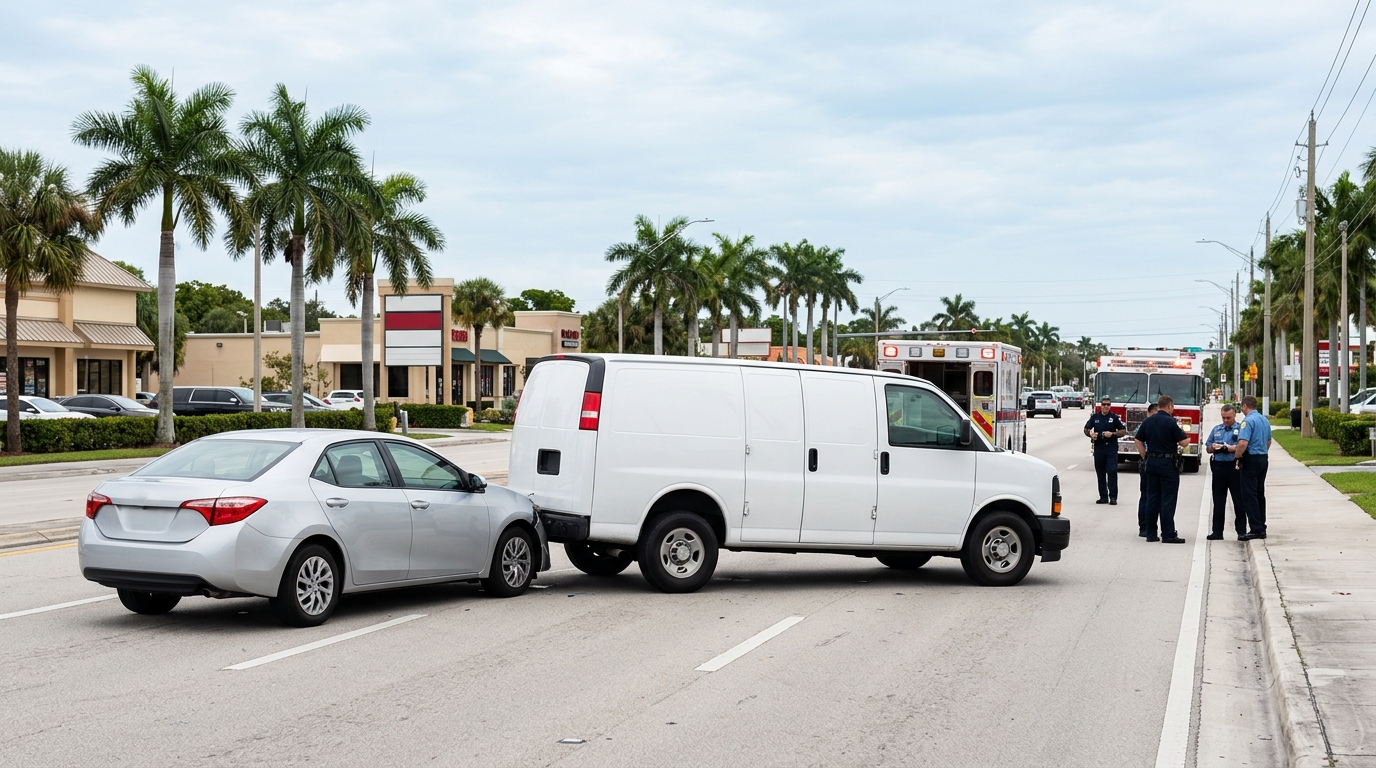
Who Is Liable in a South Florida Delivery Truck Accident?

How Insurance Companies Handle Personal Injury Claims

Slip and Fall Claims: What Injured Victims Should Know

What Rideshare Passengers Should Do After a Crash
What To Know About Summer DUI And BUI Checkpoints

Essential Pool Safety Tips for Fort Lauderdale Families and Visitors

Fireworks Safety Month: Essential Tips for Homeowners

Bicycle Safety Month: Working Together for Safer Roads

Motorcycle Safety Awareness: Reducing Risks for Everyone
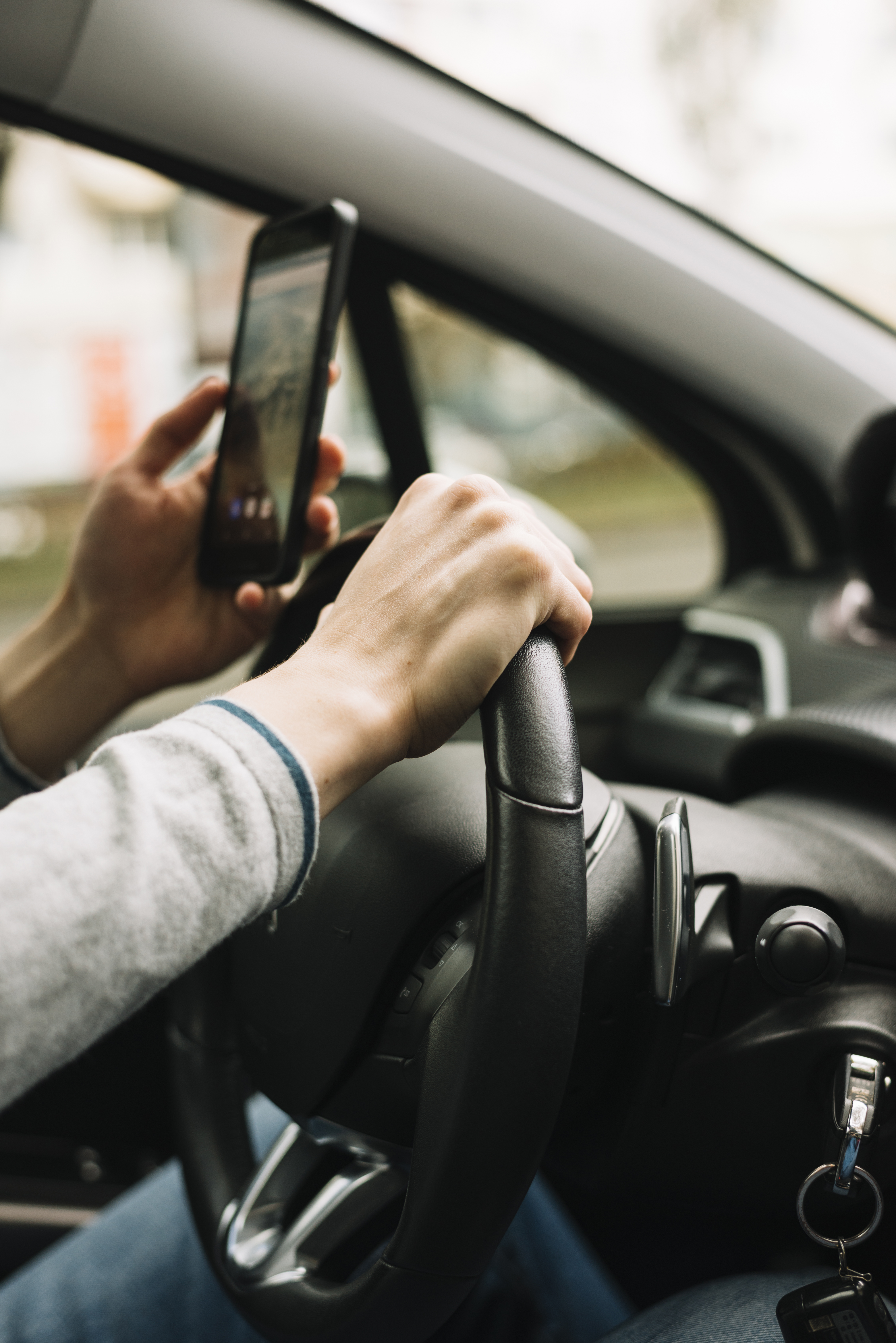
Proving Distracted Driving With Digital and Physical Evidence

When a Fall Becomes a Legal Matter: Understanding Premises Liability
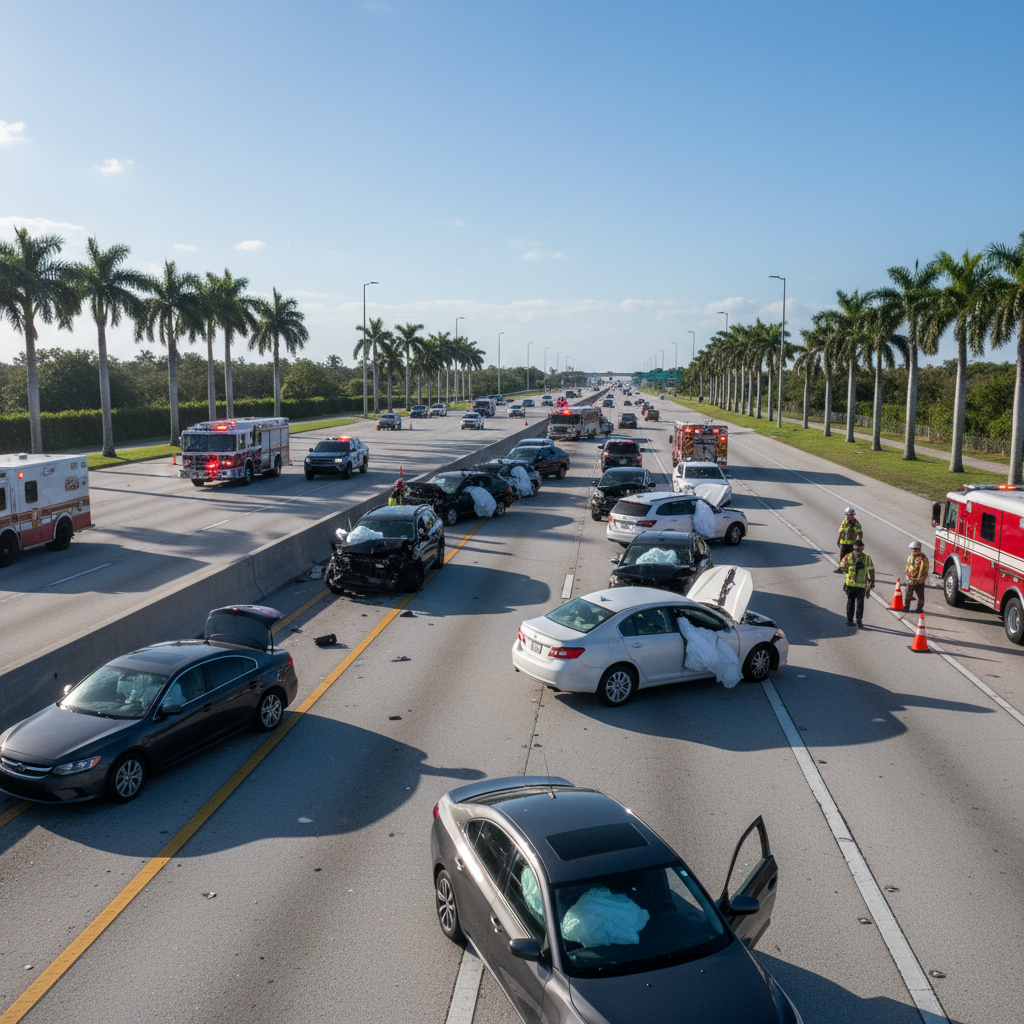
What If You Were Partially at Fault? Florida’s Modified Comparative Negligence Rule Explained
Should You Install a Dash Cam? Key Facts for Drivers
Spring Break Safety Tips: Simple Ways to Protect Yourself on Vacation
Do You Need a Lawyer After a “Minor” Car Accident in Florida?
What to Do After an Accident with an Uninsured Driver
How Long Do You Have to File a Florida Car Accident Claim? Deadlines That Can Cost You Everything
Should You Accept the Insurance Company’s First Settlement Offer After a Florida Car Accident?
7 Signs You Need a Personal Injury Attorney After a Wreck
The Importance of Seeing a Doctor After Any Car Accident

Understanding Florida’s 14-Day PIP Rule and How It Affects Your Car Accident Claim

7 Signs You Need a Personal Injury Attorney After a Wreck

Florida Truck Accidents: Why They’re Different from Car Crashes

Football Season and Head Injuries: Legal Issues in Youth Sports
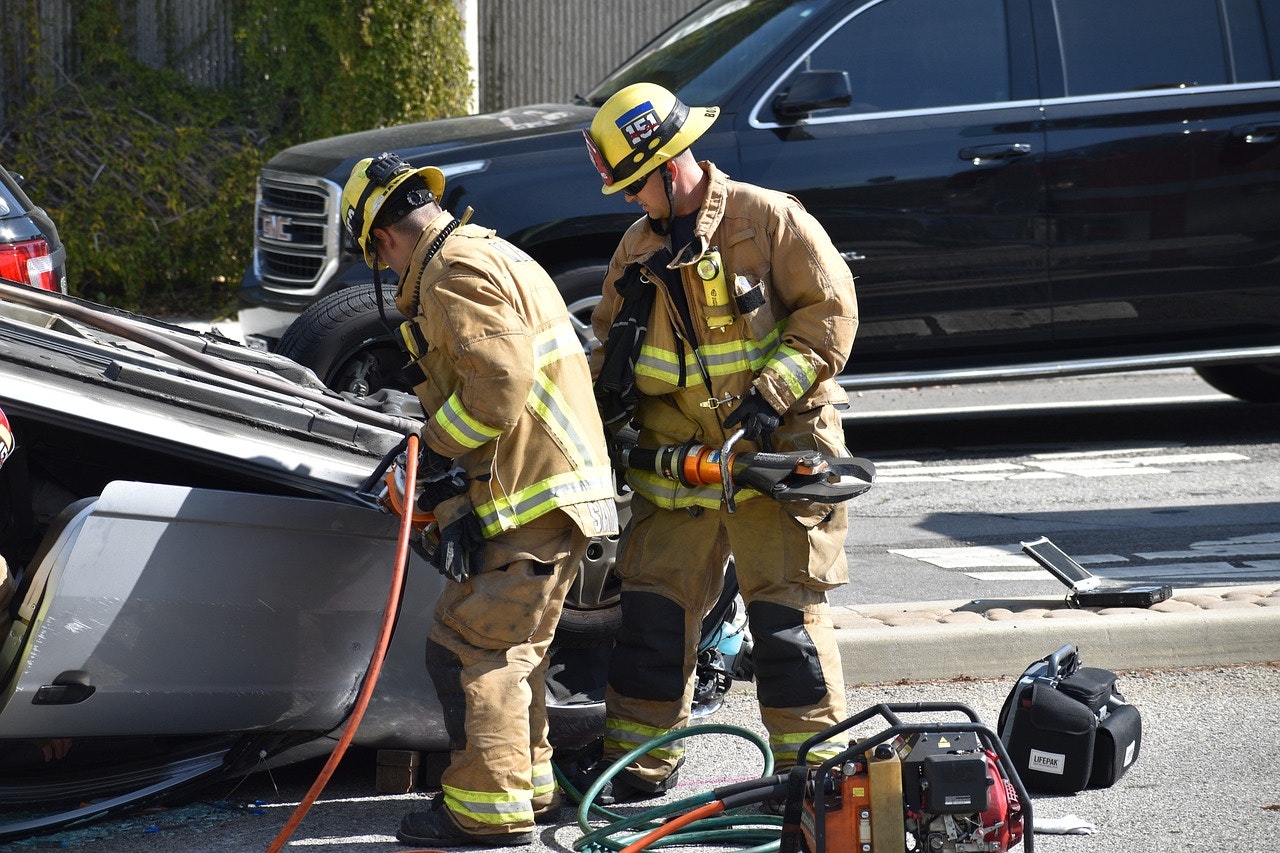
What to Do If You’re in a Car Accident in Fort Lauderdale
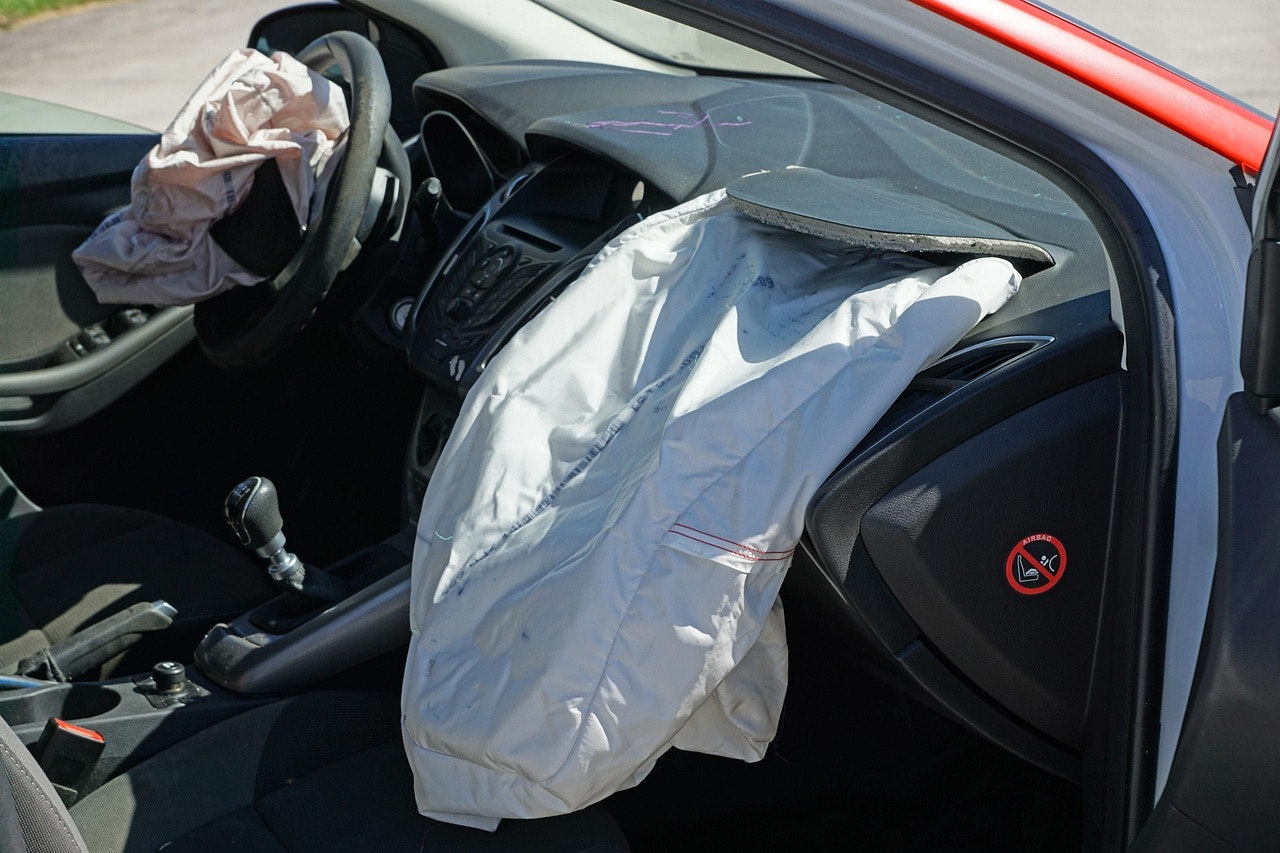
The Real Cost of a Truck Accident in Fort Lauderdale and South Florida
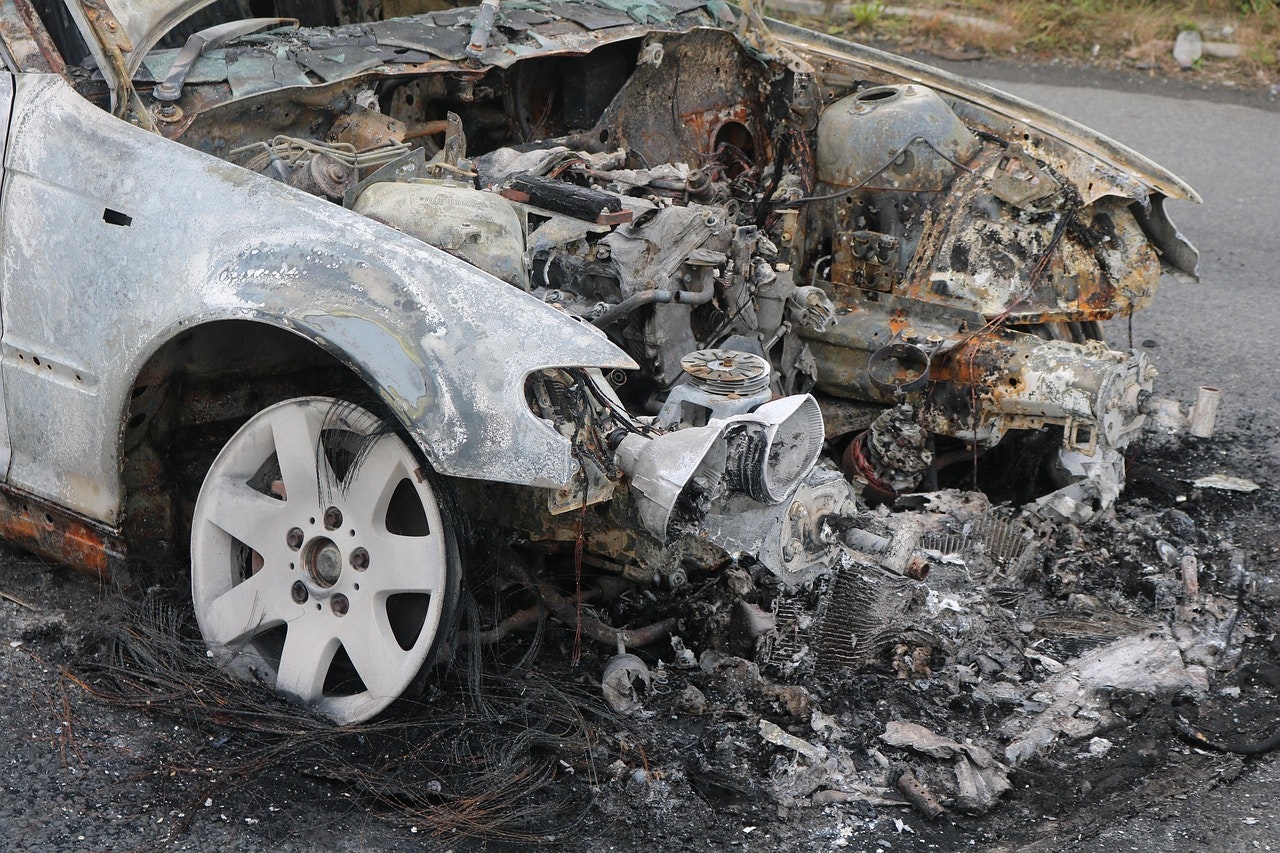
Who’s Liable in an Uber or Rideshare Accident in Florida?
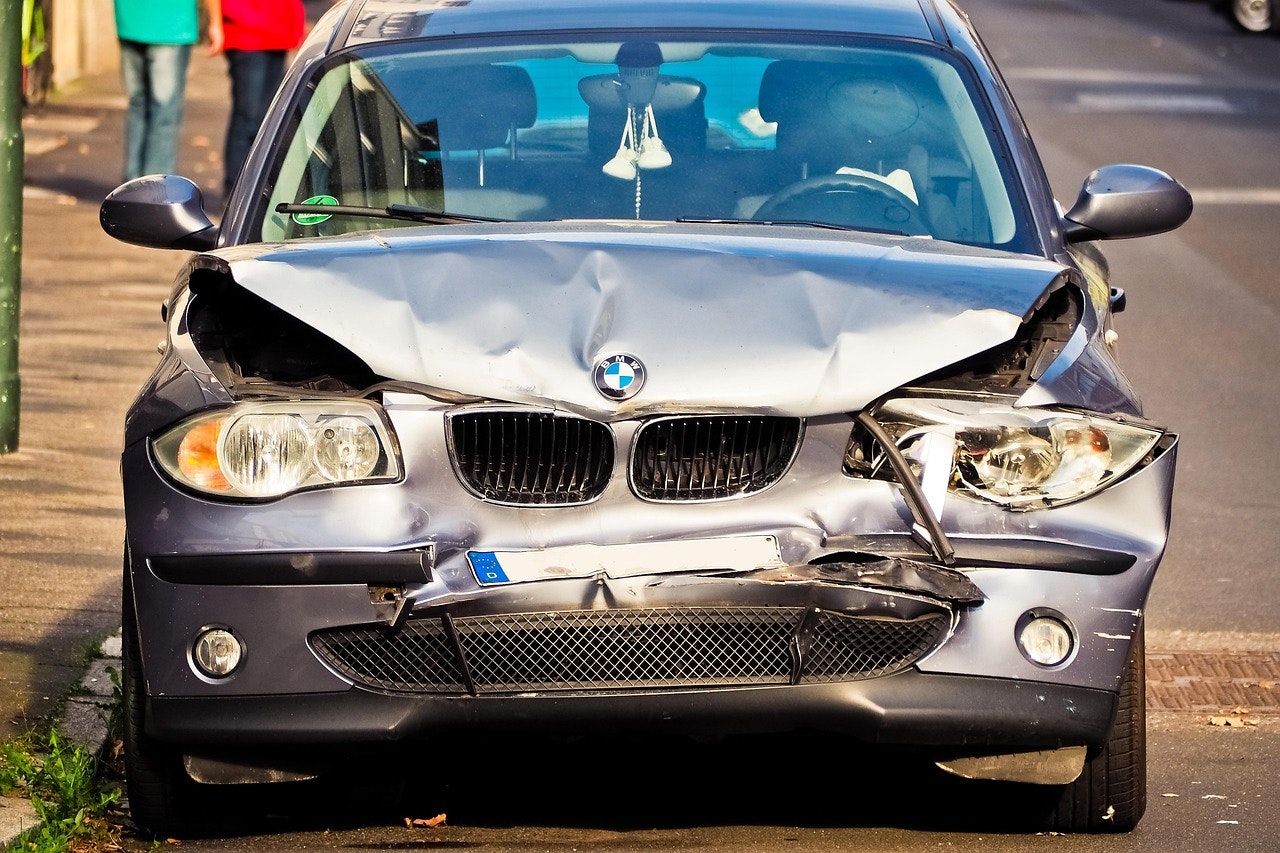
What to Do After a Car Accident in South Florida
