
Who May Be Responsible in a Multi-Car Pileup on I-95 or I-595?
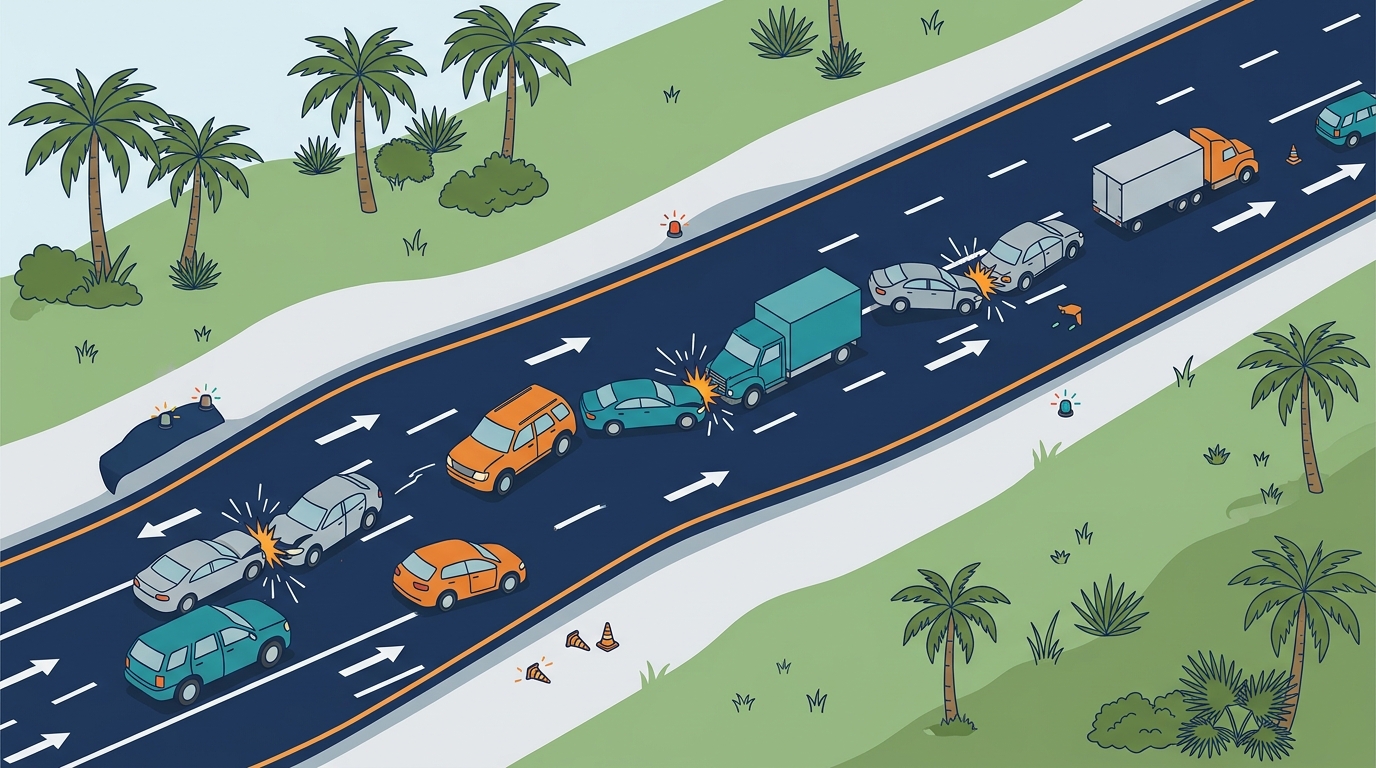
Chain-reaction crashes on I-95, I-595, the Florida Turnpike, and busy Broward County roads can involve far more than one careless decision. A rear-end impact may push vehicles into other lanes, a sudden merge can trigger evasive braking, or a commercial vehicle may be unable to stop in time. Determining responsibility requires a careful look at the full sequence of events, not simply which vehicle struck another first or last.
At Englander Peebles, we help injured people and families throughout Fort Lauderdale, Broward County, and nearby South Florida communities understand how multi-vehicle crash claims are investigated. Every situation is different, and this article provides general information rather than individualized legal advice.
Why Multi-Vehicle Crashes Are So Complex
A multi-car pileup can unfold within seconds, yet it may create several separate impacts and competing accounts of what happened. One driver may have braked suddenly after another vehicle cut across traffic. A following driver may have been traveling too closely to stop safely. Other drivers may have reacted reasonably but still been caught in the chain reaction.
That is why fault in a Broward County highway accident is not always limited to one person. More than one driver, vehicle owner, employer, or other responsible party may share liability. The facts matter: vehicle positions, speeds, lane movements, visibility, traffic conditions, and the timing of each collision can all affect the analysis.
Conduct That Can Trigger a Chain Reaction
Heavy traffic on I-95 and I-595 leaves little margin for error. Even a moment of inattention or an unsafe maneuver can cause vehicles behind it to brake, swerve, or collide. Common factors in these cases include:
- Following too closely for traffic, weather, or road conditions
- Sudden or unsafe lane changes
- Speeding or driving too fast for conditions
- Distracted driving, including texting or looking away from the road
- Impaired driving involving alcohol or drugs
- Aggressive driving, road rage, or failure to yield
- Debris, standing water, poor visibility, or other road hazards
- Mechanical issues or unsecured loads involving commercial vehicles
Rear-end impacts are common in chain-reaction collisions, but they do not automatically answer every question about fault. A full investigation may show that a driver farther ahead set the crash in motion, that multiple drivers had an opportunity to avoid an impact, or that a road or vehicle issue contributed to the event.
Commercial Vehicles Can Add More Parties and Evidence
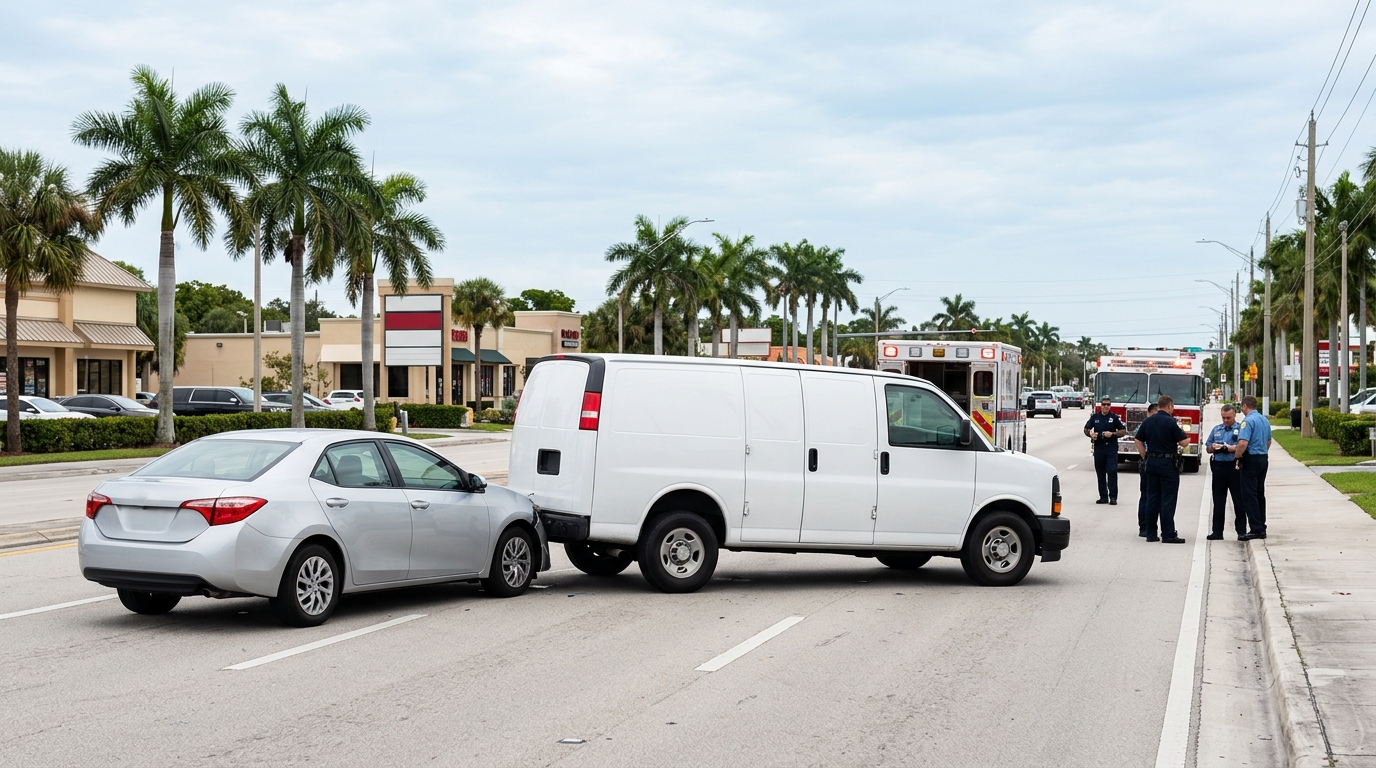
When a tractor-trailer, delivery truck, work van, bus, or other commercial vehicle is involved, the investigation may become more detailed. Large vehicles require more stopping distance, have significant blind spots, and can cause extensive damage when a collision occurs in congested traffic.
Depending on the circumstances, a claim may involve the driver, the trucking or delivery company, a vehicle owner, a maintenance provider, or another entity. Important evidence can include inspection records, driver logs, dispatch information, onboard video, telematics, and electronic vehicle data. Our team at Englander Peebles understands the importance of identifying and preserving available evidence before it disappears.
Crash Reconstruction Helps Tell the Full Story
In a serious multi-vehicle crash, the damage pattern alone may not explain the order of impacts. Crash reconstruction can help evaluate where each vehicle was located, how quickly it was traveling, braking and steering activity, points of impact, and whether a driver had time and distance to react.
Reconstruction may draw on photographs, roadway measurements, debris fields, skid marks, vehicle damage, airbag-control-module data, and other physical evidence. In some cases, a qualified reconstruction professional can help clarify whether the initial explanation of the crash matches the available evidence.
Witnesses, Cameras, and Vehicle Data Matter
Independent evidence can be especially valuable when several drivers give conflicting versions of a collision. Witness accounts may identify a sudden lane change, an erratic driver, a vehicle traveling at excessive speed, or hazardous conditions that drivers involved in the crash did not fully observe.
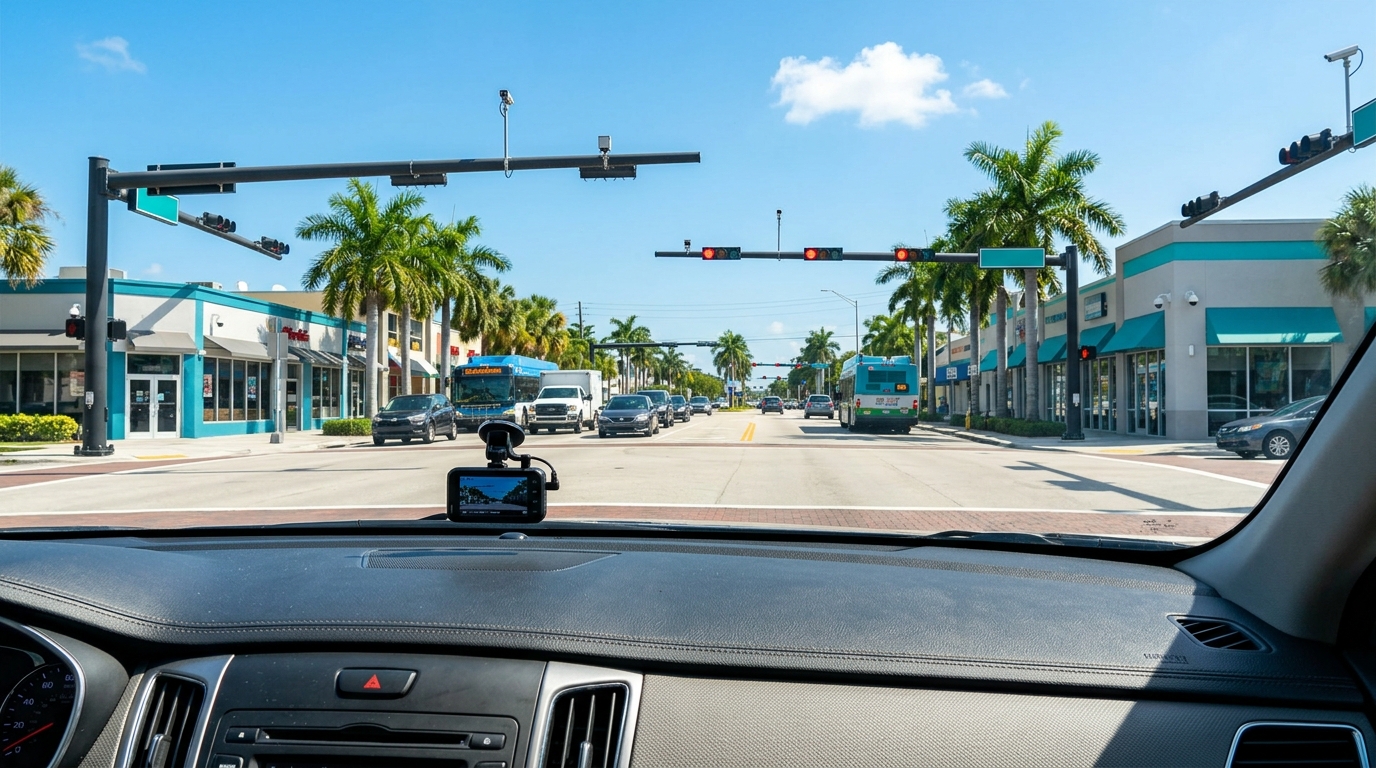
Video may come from traffic cameras, nearby businesses, residential systems, dashcams, or other vehicles. A rideshare vehicle, delivery vehicle, or commercial truck may also have a camera system or data source relevant to the crash. Modern vehicles can retain data related to speed, braking, throttle position, steering input, and seat belt use, although the availability and usefulness of that information depends on the vehicle and incident.
The police report is another important starting point. It may identify involved drivers and witnesses, document road conditions, include an officer’s observations, and note citations or suspected impairment. Still, it is only one piece of the overall investigation.
Medical Documentation Connects Injuries to the Collision
A chain-reaction crash can cause injuries ranging from painful soft-tissue damage to fractures, back and neck injuries, traumatic brain injuries, and other catastrophic harm. In multiple-impact collisions, clear medical documentation can help explain the nature of the injuries, recommended treatment, work restrictions, and expected future care needs.
Medical records are not simply paperwork. They can provide an important timeline of symptoms, examinations, diagnostic testing, treatment recommendations, and how injuries affect daily life. This information may be relevant when evaluating medical expenses, lost income, pain and suffering, and future losses.
Finding All Available Insurance Coverage
Multi-vehicle cases often require a close review of several insurance policies. Potential sources of coverage may include the policies of at-fault drivers, an employer’s commercial policy, a rideshare policy, uninsured or underinsured motorist coverage, and other coverage connected to the vehicles or parties involved.
Florida insurance issues can be complicated, particularly when multiple injured people are seeking payment from limited policy limits. Identifying coverage early helps create a clearer picture of the claim and allows injured people to make informed decisions. Englander Peebles reviews the facts and available insurance information with a focus on pursuing appropriate avenues for our clients.
Preparedness for Negotiation and Trial
Insurance companies may dispute fault, minimize the seriousness of injuries, or point to the involvement of other drivers in an effort to reduce what they pay. A well-prepared claim should account for the complete crash sequence, all responsible parties, the available evidence, and the full effect of the injuries.
Our Fort Lauderdale car accident attorneys handle insurance negotiations and litigation for people harmed in motor vehicle crashes. When a fair resolution is not available, Englander Peebles has the experience to take a case through the litigation process and prepare it for trial. We do not promise outcomes, but we believe thorough preparation matters at every stage.
FAQ
Can more than one driver be at fault for a chain-reaction crash?
Yes. A multi-vehicle collision may involve shared fault among several drivers. For example, one driver may make an unsafe lane change while another follows too closely or drives too fast to stop safely. The specific facts and available evidence determine how responsibility may be assessed.
Is the last driver always responsible for a pileup?
Not necessarily. The last impact in a chain reaction does not always reveal what caused the crash. Investigators may need to determine whether a prior collision, sudden maneuver, unsafe speed, impairment, or roadway hazard set the sequence in motion.
What evidence is useful after a multi-car crash in Broward County?
Useful evidence can include crash reports, witness information, photographs, videos, dashcam footage, vehicle data, roadway evidence, medical records, and documentation related to commercial vehicles. The evidence needed depends on the circumstances of the crash.
What if a truck or delivery vehicle was involved?
A commercial vehicle may bring additional parties, insurance policies, and evidence into the case. Records relating to the vehicle, driver, employer, maintenance, and electronic systems may be relevant to understanding what occurred.
How can Englander Peebles help after a multi-vehicle collision?
We can evaluate the circumstances of the crash, investigate potential sources of evidence and insurance coverage, communicate with insurers, and pursue a claim through negotiation or litigation when appropriate. For a free consultation with Englander Peebles, call (954) 226-9134 or visit our website.
Who May Be Responsible in a Multi-Car Pileup on I-95 or I-595?
Rental Car and Turo Accidents in Florida: Insurance and Claim Questions
What Out-of-State Drivers and Tourists Should Do After a South Florida Car Accident
How to Preserve Dashcam, Traffic Camera, and Surveillance Evidence After a Fort Lauderdale Crash
Who Is Liable in a South Florida Delivery Truck Accident?

How Insurance Companies Handle Personal Injury Claims

Slip and Fall Claims: What Injured Victims Should Know

What Rideshare Passengers Should Do After a Crash
What To Know About Summer DUI And BUI Checkpoints

Essential Pool Safety Tips for Fort Lauderdale Families and Visitors

Fireworks Safety Month: Essential Tips for Homeowners

Bicycle Safety Month: Working Together for Safer Roads

Motorcycle Safety Awareness: Reducing Risks for Everyone
Proving Distracted Driving With Digital and Physical Evidence

When a Fall Becomes a Legal Matter: Understanding Premises Liability
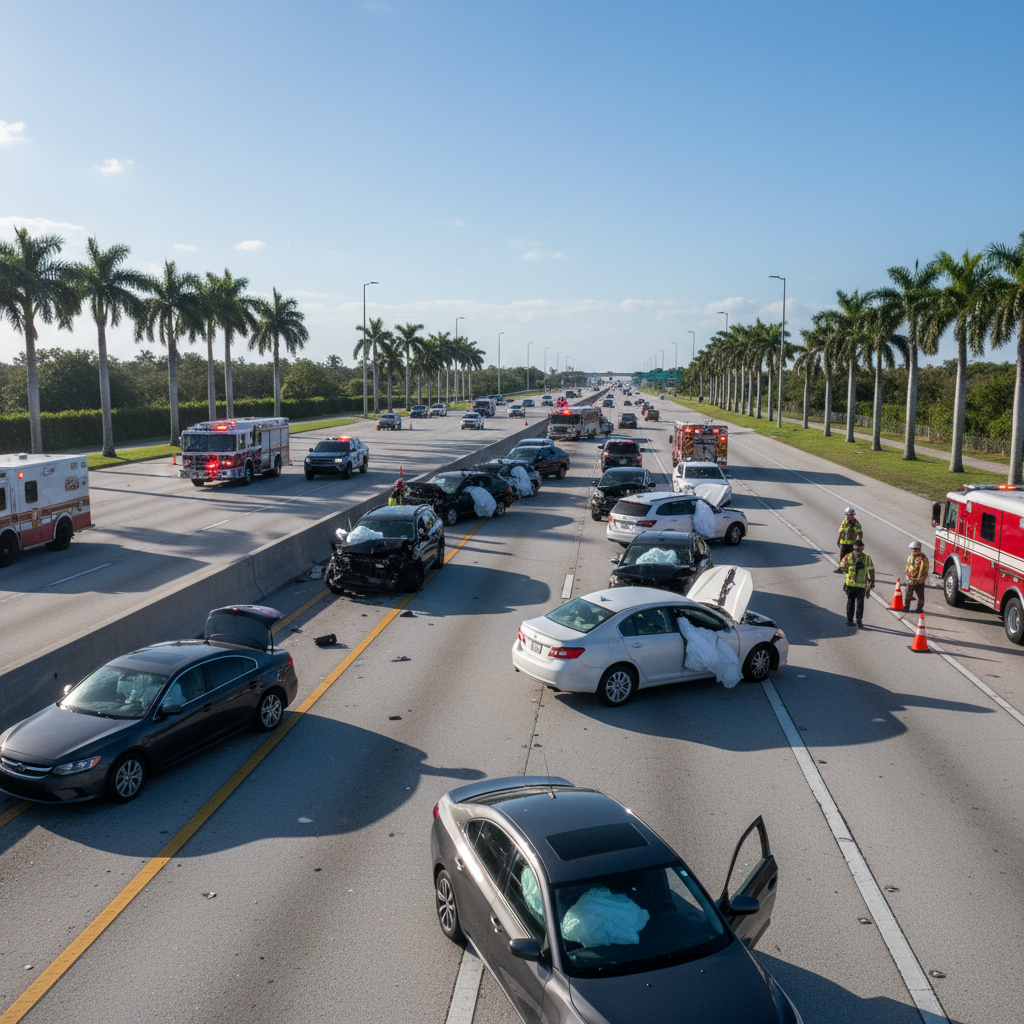
What If You Were Partially at Fault? Florida’s Modified Comparative Negligence Rule Explained
Should You Install a Dash Cam? Key Facts for Drivers

Spring Break Safety Tips: Simple Ways to Protect Yourself on Vacation
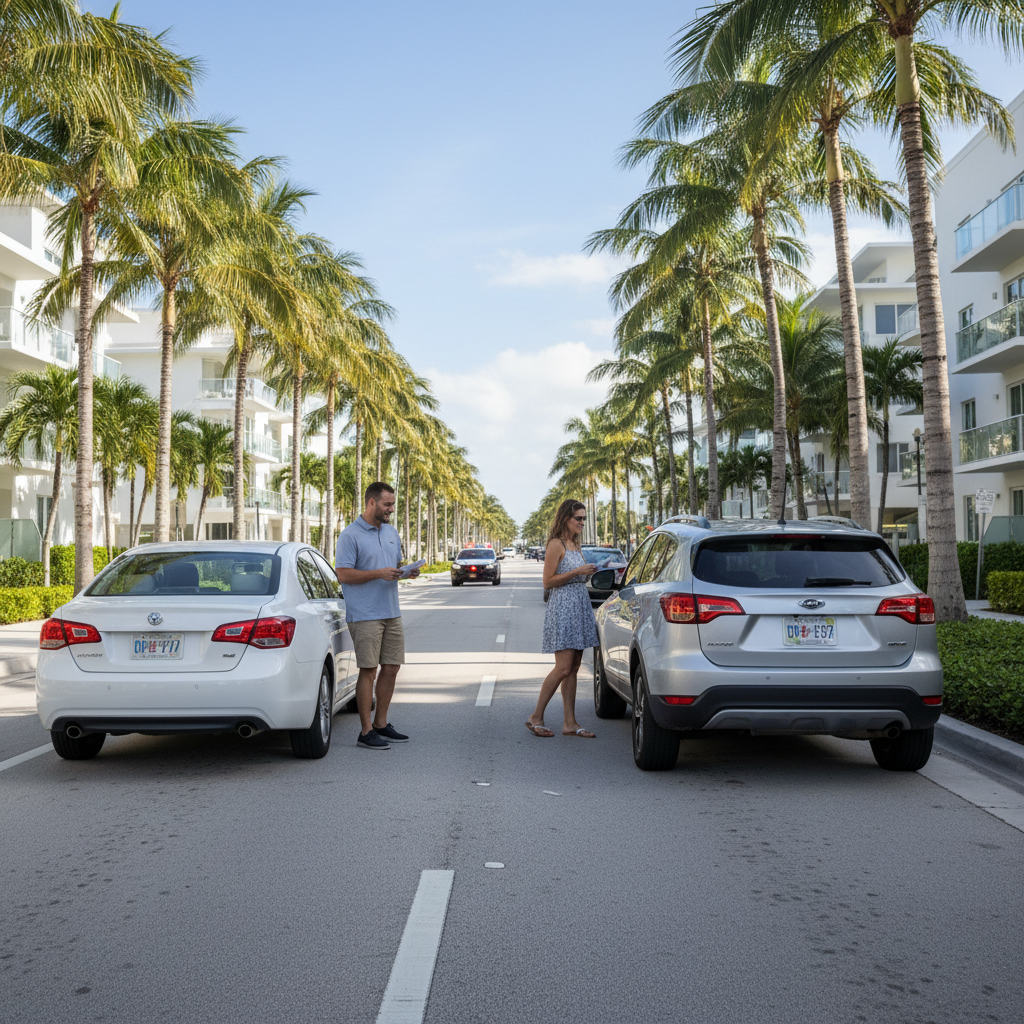
Do You Need a Lawyer After a “Minor” Car Accident in Florida?
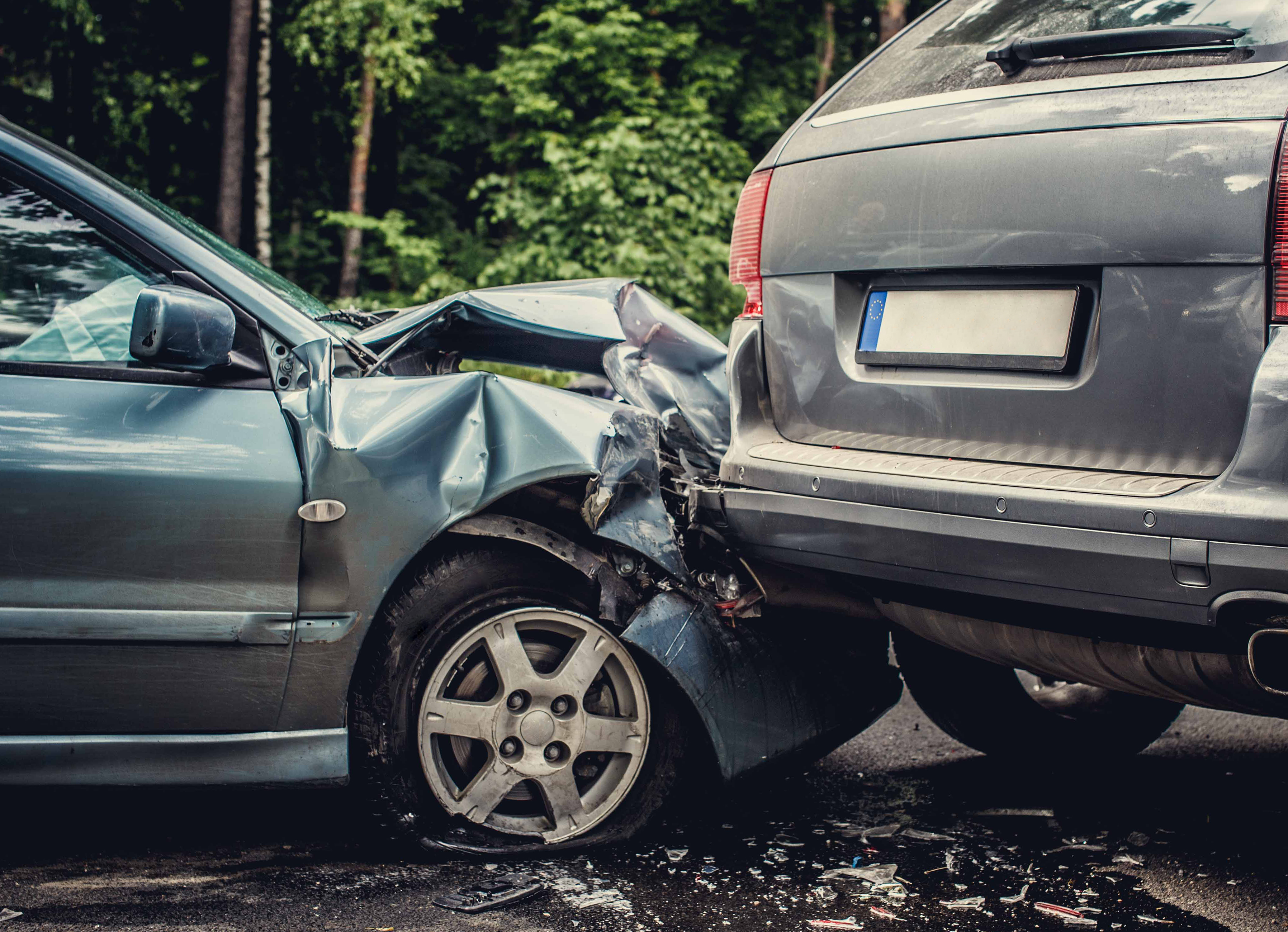
What to Do After an Accident with an Uninsured Driver
How Long Do You Have to File a Florida Car Accident Claim? Deadlines That Can Cost You Everything
Should You Accept the Insurance Company’s First Settlement Offer After a Florida Car Accident?
7 Signs You Need a Personal Injury Attorney After a Wreck
The Importance of Seeing a Doctor After Any Car Accident

Understanding Florida’s 14-Day PIP Rule and How It Affects Your Car Accident Claim

7 Signs You Need a Personal Injury Attorney After a Wreck
Florida Truck Accidents: Why They’re Different from Car Crashes

Football Season and Head Injuries: Legal Issues in Youth Sports
What to Do If You’re in a Car Accident in Fort Lauderdale
The Real Cost of a Truck Accident in Fort Lauderdale and South Florida
Who’s Liable in an Uber or Rideshare Accident in Florida?
What to Do After a Car Accident in South Florida
